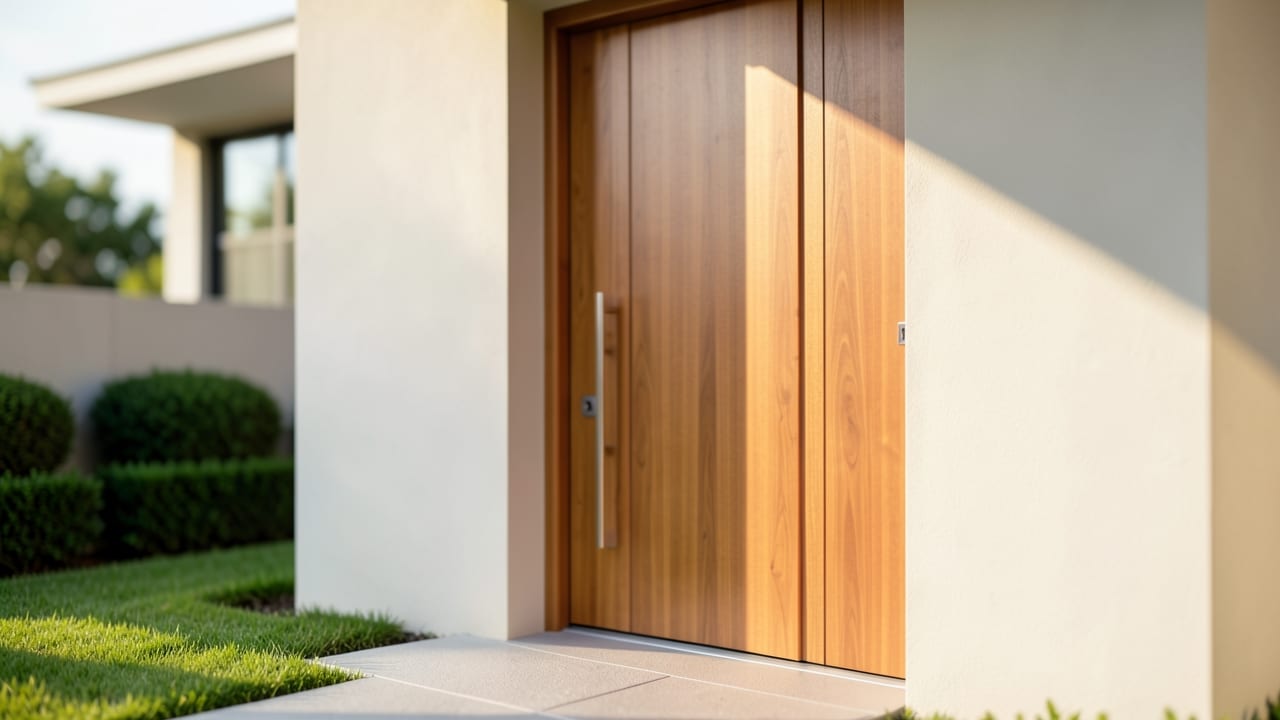
Exterior Door Cleaning
High-pressure cleaning to remove dirt, grime, and stains from exterior doors.
Exterior door cleaning in Garden City Beach, SC, uses pressure washing to remove dirt, pollen, and mildew from entryways, restoring their appearance and preventing long-term damage.
This targeted service works on wood, fiberglass, and metal doors, ensuring a thorough clean while protecting nearby surfaces and landscaping with careful pre-treatment and rinsing techniques.
We also handle Sidewalk Cleaning and Storefront Cleaning for Garden City Beach properties.
When your door needs cleaning
Exterior doors in Garden City Beach often collect built-up grime, algae, and mildew over time, especially in shaded or humid areas.
Green or black streaking on the door—common on the side facing away from direct sun—is a sign of algae or mildew, while a chalky residue when running a hand across the surface indicates oxidation or accumulated grime.
Dirt and debris tend to gather first in corners, under eaves, and around light fixtures. If cobwebs, dust, or insect residue are visibly concentrated in these spots, it’s a sign the rest of the door may need attention soon.
Comparing a covered section (like where a house number was mounted) to the exposed surface can also reveal how much the door has faded or dirtied.
Signs Your Door Needs Cleaning
- Green or black streaking (algae/mildew) on shaded sides of the door
- Chalky residue when touching the surface (oxidation or grime buildup)
- Visible dirt, cobwebs, or insect debris in corners or under eaves
- Fading or discoloration when comparing covered vs. exposed sections
What affects pricing and timing
The size, material, and condition of your door influence both cost and time. Wood doors may require more careful handling than fiberglass or metal, while heavily stained or mold-covered surfaces need extra attention.
Seasonal factors also play a role—humidity and algae growth are higher in Garden City Beach’s coastal climate, so doors in shaded or damp areas may need more frequent cleaning.
Accessibility matters too. Doors with complex hardware, recessed panels, or nearby landscaping that needs protection may take longer to clean safely. A professional will assess these factors before providing an estimate tailored to your specific door.
How exterior door cleaning works
- 1Preparation and Protection
Nearby landscaping is wetted down and covered, and outlets or fixtures are bagged to prevent damage from overspray or chemical runoff. This step ensures no unintended harm to plants or surfaces around the door.
- 2Detergent Pre-Treatment
A cleaning solution formulated for the door’s material is applied at low pressure. This chemical breaks down algae, mildew, and grime, making them easier to remove without relying solely on high-pressure blasting.
- 3Soft-Wash Rinse
The door is rinsed using a wide-fan tip at low pressure (under 500 psi), working top to bottom in overlapping passes. This method prevents streaking and ensures an even finish without damaging the surface.
- 4Spot Treatment and Final Rinse
Stubborn stains receive a second, more concentrated pass, while a clear-water rinse removes any remaining detergent residue. The door is then inspected in daylight for missed spots or damage.
Frequently asked questions
Will pressure washing damage my door’s finish?
Pressure washing is adjusted to the door’s material—wood, fiberglass, or metal—to avoid damage. Low-pressure techniques and proper detergents are used to clean without stripping finishes or causing warping, especially on older or delicate surfaces.
How often should I clean my exterior door?
Coastal areas like Garden City Beach may require cleaning every 12–24 months due to salt air and humidity. Doors in shaded or damp spots may need attention more frequently, while those in direct sunlight can last longer between cleanings.
What if my door has pre-existing damage, like peeling paint or rust?
Cleaning will reveal any hidden damage, such as rust or cracked paint. A professional can assess whether repairs are needed before or after the cleaning process, ensuring the door is restored safely.
Can I clean my door myself, or should I hire a professional?
DIY cleaning risks uneven pressure, chemical misuse, or damage to nearby surfaces. Professionals use controlled pressure, proper detergents, and protective measures to ensure a safe, thorough clean without unintended consequences.
See Burgess, SC for more, or explore what we cover for Garden City Beach properties by neighborhood for our complete lineup.
Ready to get started?
Talk to a local pressure washing pro in Garden City Beach — get a written quote.
Other Pressure Washing Services in Garden City Beach

Sidewalk Cleaning in Garden City Beach, SC
High-pressure washing to remove dirt, grime, and stains from sidewalks and walkways.
Learn More
Storefront Cleaning in Garden City Beach, SC
High-pressure washing to remove dirt, grime, and stains from storefront exteriors.
Learn More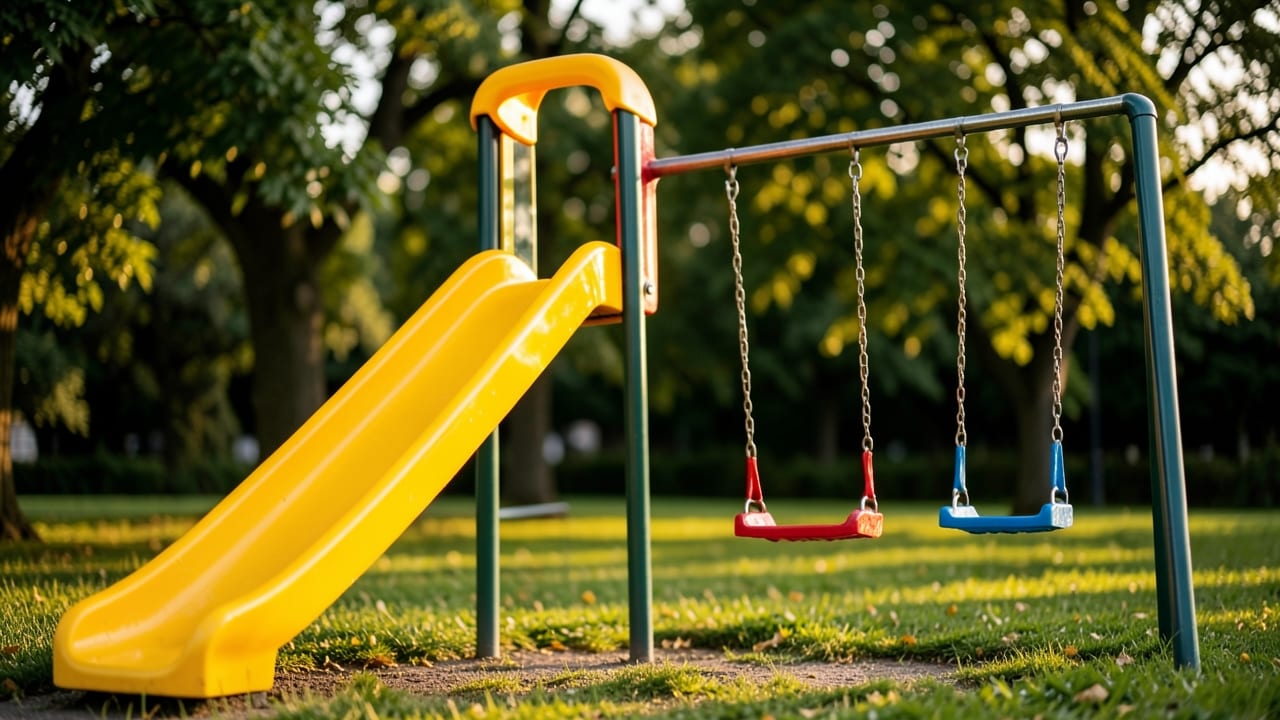
Playground Equipment Cleaning in Garden City Beach, SC
Pressure washing to remove dirt, grime, and mold from playground equipment for safety and hygiene.
Learn More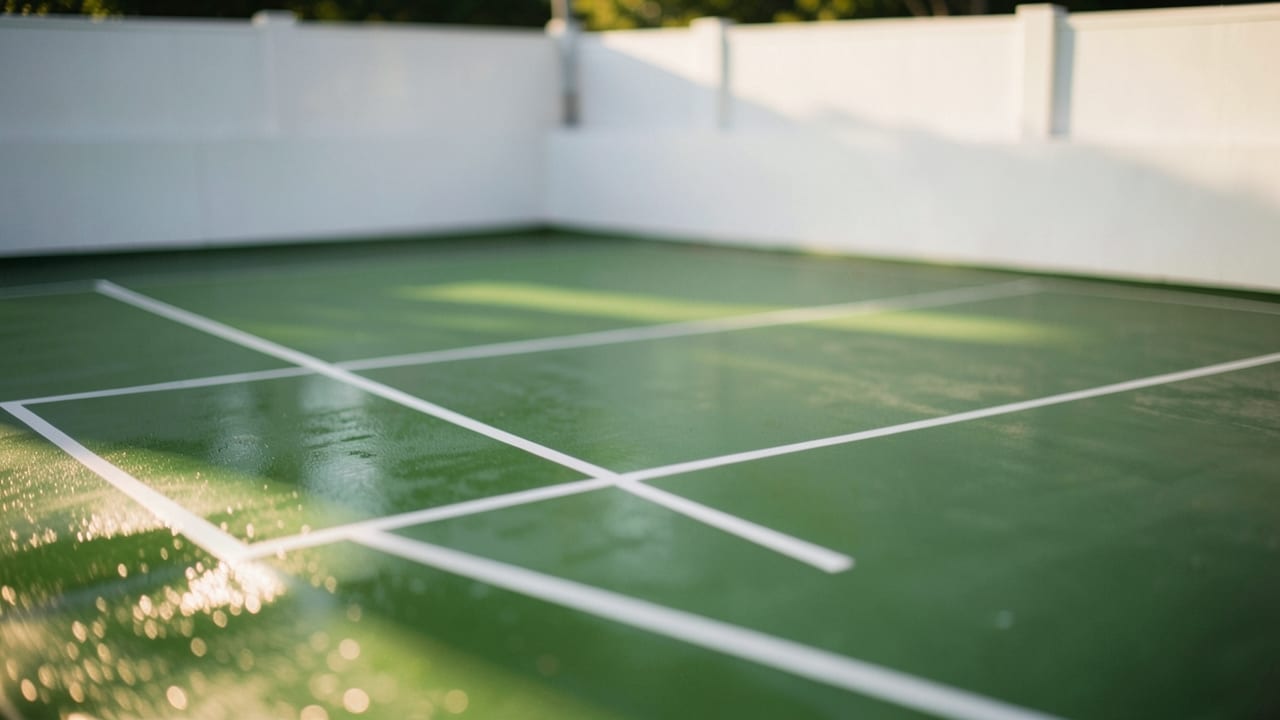
Tennis Court Cleaning in Garden City Beach, SC
Pressure washing to remove dirt, moss, and stains from tennis court surfaces.
Learn More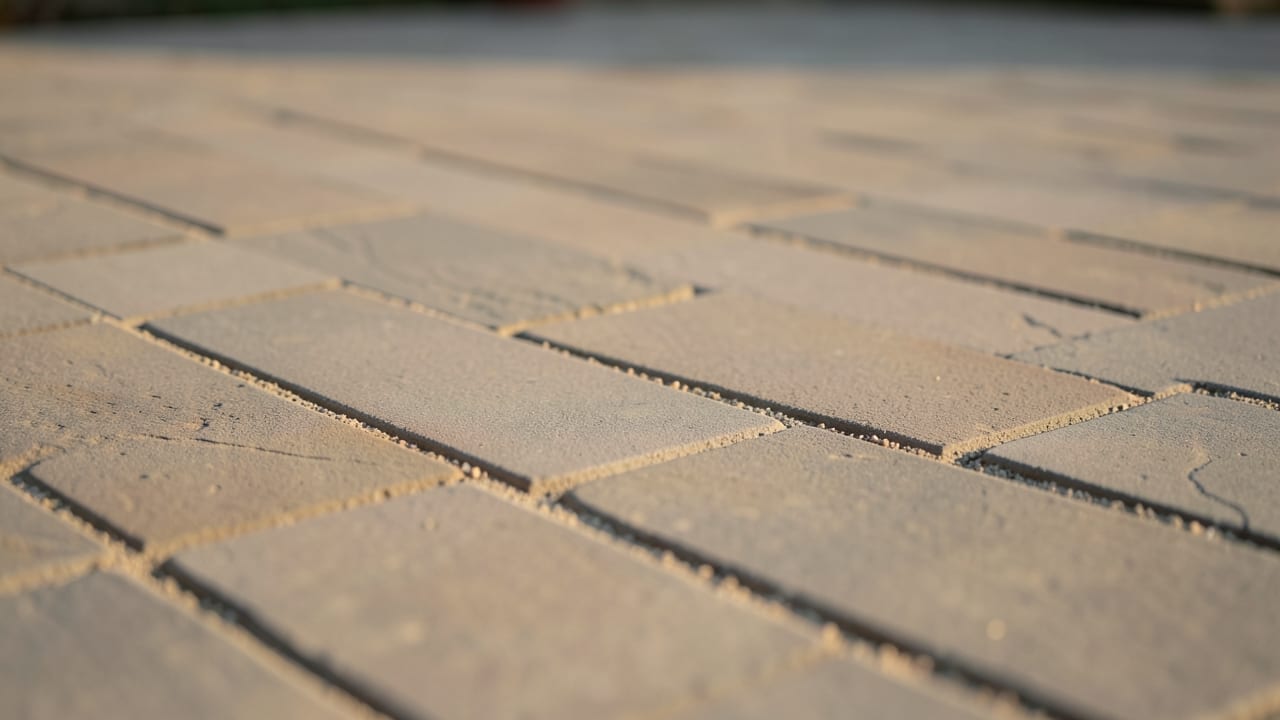
Stone Patios Cleaning in Garden City Beach, SC
High-pressure washing to remove dirt, stains, and grime from stone patio surfaces.
Learn More
Vinyl Fence Cleaning in Garden City Beach, SC
High-pressure cleaning to remove dirt, mold, and grime from vinyl fences, restoring their appearance.
Learn MoreCommon Questions About Pressure Washing in Garden City Beach
Everything you need to know about pressure washing services in Garden City Beach
How much does Exterior Door Cleaning typically cost in Garden City Beach, SC?
Why does algae and mildew growth on homes in Garden City Beach, SC come back so quickly?
How long does washing a typical house exterior take?
Can pressure washing damage concrete, pavers, or mortar joints?
What are the actual named steps in a professional pressure washing job?
Can the wrong PSI actually damage a house or driveway?
Need Pressure Washing in Garden City Beach?
Get a written quote from our Garden City Beach crew.
⏰ We answer your call • Serving all of Garden City Beach and surrounding areas