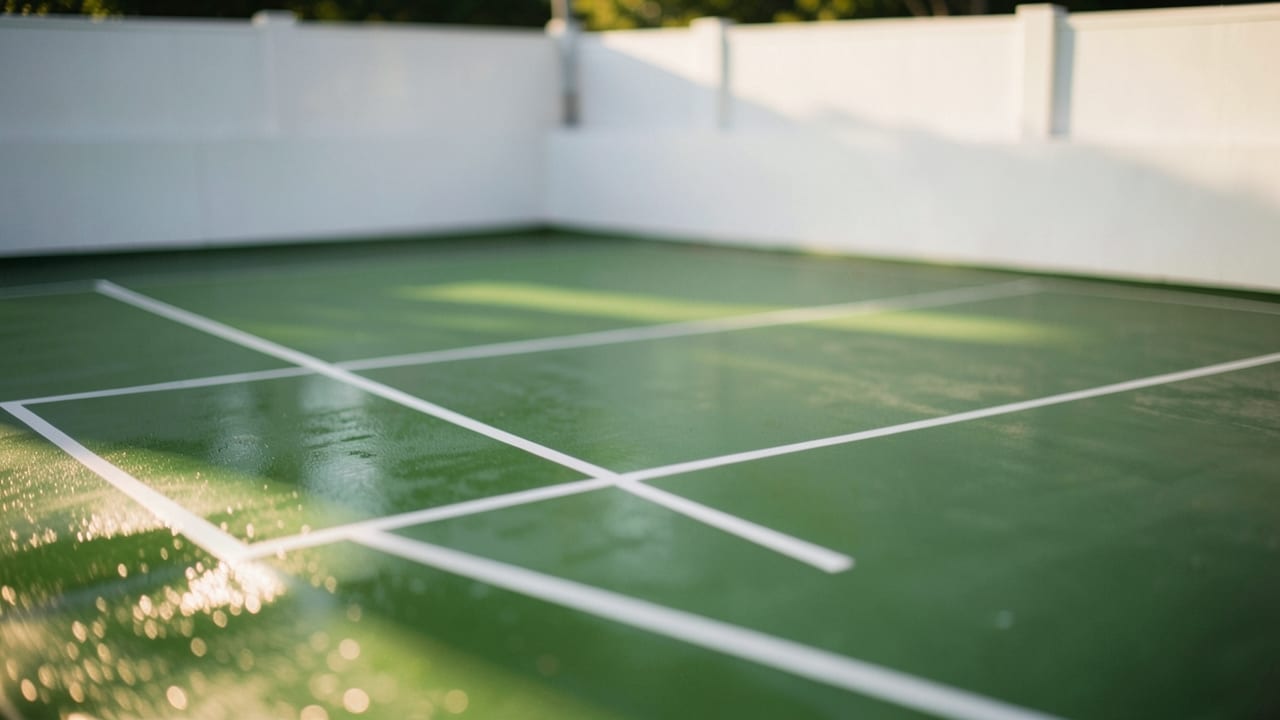
Tennis Court Cleaning
Pressure washing to remove dirt, moss, and stains from tennis court surfaces.
Tennis court cleaning in Garden City Beach, SC, restores playability and appearance by removing dirt, algae, moss, and stains from hard or clay surfaces using high-pressure washing. This process targets cracks, lines, and surrounding areas to ensure a thorough clean while preventing slip hazards.
Proper technique and surface-specific care help maintain the court’s finish and longevity.
We also handle Apartment Complex Washing and Rental Property Washing for Garden City Beach properties.
When to clean your tennis court
Tennis courts in Garden City Beach often show specific signs of buildup that plain water won’t remove. Dark stains from oil, tire marks, or rust that don’t fade after rain or spread slightly at the edges are common.
A surface that feels slick when wet may indicate algae or mildew growth, while a green or black tinge in shaded corners suggests organic buildup. Efflorescence, a white powdery haze, requires a different approach than ordinary dirt.
These stains and films don’t just affect appearance—they can create slip hazards and degrade the court’s surface over time. Routine maintenance, like sweeping and prompt cleanup of spills, helps prevent deep staining.
Low spots that hold water after rain are prime areas for algae growth, so improving drainage in those areas can reduce staining specifically in those spots.
Signs Your Tennis Court Needs Cleaning
- Dark stains from oil, tires, or rust that persist or spread after rain
- A noticeably slick surface when wet, beyond normal wet concrete feel
- Green or black tinge in shaded corners or low spots where water pools
- White, powdery haze (efflorescence) on the surface
- Visible algae or moss growth along cracks or edges
How surface type affects cleaning
Not all tennis court surfaces react the same way to pressure washing. Plain broom-finish concrete can handle higher pressure settings, while stamped, colored, or sealed concrete requires lower pressure to avoid damaging the finish.
Applying the wrong pressure to sealed surfaces can cause discoloration or strip the sealer, leaving an uneven look.
Chemical pre-treatment is essential for oil or grease stains. Pressure washing alone tends to push these stains deeper into the concrete, spreading them outward rather than lifting them. A degreasing solution applied before pressure washing helps break down these stains for better removal.
| Surface Type | Pressure Risk | Recommended Approach |
|---|---|---|
| Plain broom-finish concrete | Can handle higher PSI without damage | Standard pressure washing with detergent for stains |
| Stamped or colored concrete | Risk of discoloration or finish damage at high PSI | Lower pressure setting, gentle detergent |
| Sealed concrete | Sealer can strip or discolor under high pressure | Soft-wash method with specialized cleaner |
| Clay or asphalt courts | Requires lower pressure to avoid surface erosion | Light detergent application, minimal pressure |
Factors that influence cleaning effectiveness
The longevity of your tennis court’s clean appearance depends on post-treatment care. Applying a penetrating or film-forming sealer after cleaning fills the pores that algae, oil, and organic stains would otherwise re-enter.
This step helps the surface stay cleaner longer. Routine sweeping also prevents organic material from decomposing into set-in stains that require professional treatment later.
Prompt cleanup of spills, especially oil or fluids, makes a significant difference. Wiping up a fresh spill or treating it with an absorbent within a day prevents it from setting deeply into the concrete’s pores.
Improving drainage in low spots reduces standing water, which gives algae and mildew a head start in those areas.
How tennis court cleaning works
A thorough cleaning involves surface-specific steps to remove stains and restore playability.
- 1Surface Assessment
The court’s material—plain concrete, stamped, sealed, or clay—is identified to determine the appropriate pressure and cleaning method. Sealed or decorative surfaces require lower pressure to avoid damage.
- 2Detergent Application
A degreasing or stain-lifting solution is applied to oil spots, tire marks, and organic stains. This step is left to dwell, as pressure alone can spread oil stains outward rather than lift them.
- 3Pressure Washing
The surface is cleaned in overlapping passes with a surface cleaner attachment held at a consistent distance and angle. This ensures an even result across the slab, avoiding ringed or striped patterns.
- 4Edge and Joint Detail
Expansion joints, edges, and corners are finished separately at a lower pressure. These areas are prone to visible etching if a wand is held too close.
- 5Rinse and Runoff Containment
A final clear-water rinse is applied, and runoff is directed away from storm drains and planting beds to prevent contamination or damage to landscaping.
Frequently asked questions
How do I know if my tennis court needs professional cleaning?
Look for dark stains that don’t fade after rain, a noticeably slick surface when wet, or green/black tinge in shaded areas. Efflorescence (white powdery haze) or visible algae growth along cracks are also signs professional cleaning may be needed.
Can pressure washing damage my court’s surface?
Yes, if the wrong pressure is used. Sealed or stamped concrete can discolor or lose its finish under high pressure, while plain concrete may etch if a wand is held too close. A professional assessment ensures the correct method is used.
Will cleaning my tennis court make it last longer?
Regular cleaning removes buildup that can degrade the surface over time. Applying a sealer after cleaning helps fill pores, reducing future staining. Routine maintenance, like sweeping and prompt spill cleanup, also extends the court’s lifespan.
How often should I clean my tennis court?
Frequency depends on usage and climate. Courts in humid areas like Garden City Beach may need cleaning 1–2 times per year. High-traffic courts or those with visible stains may require more frequent attention.
See Bucksport, SC for more, or find out about our complete Garden City Beach service list in full for our complete lineup.
Ready to get started?
Talk to a local pressure washing pro in Garden City Beach — get a written quote.
Other Pressure Washing Services in Garden City Beach
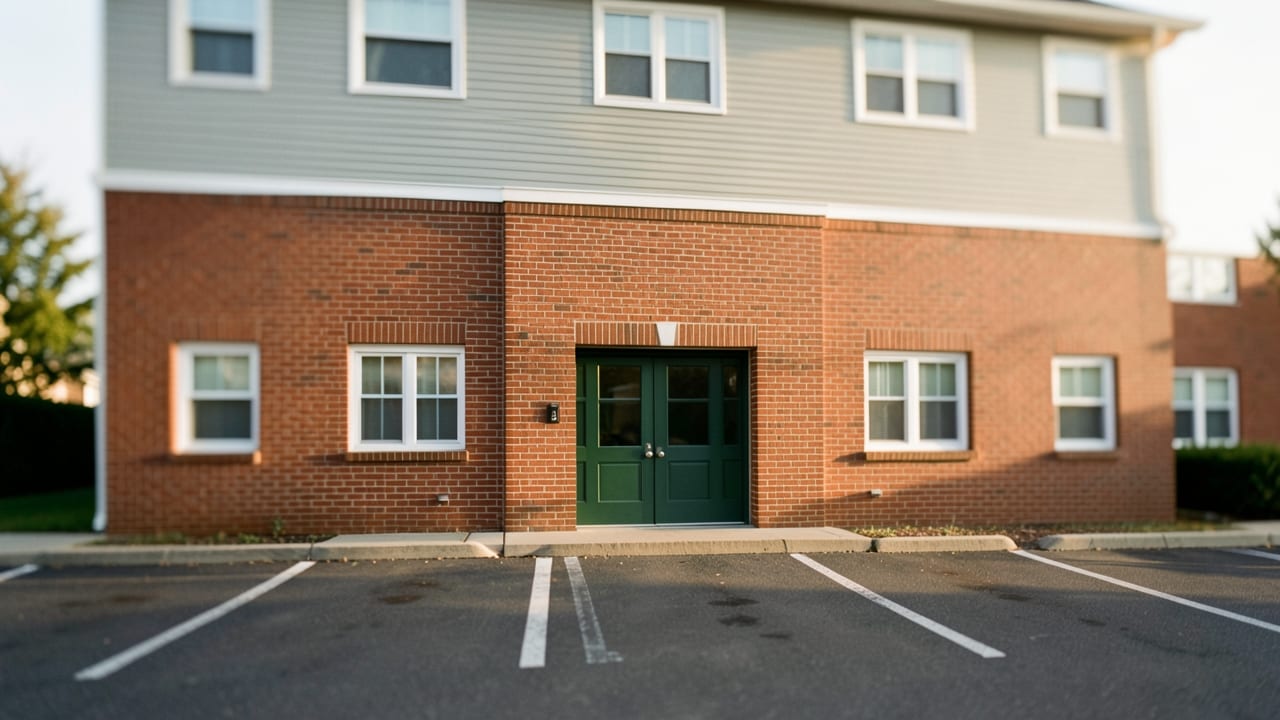
Apartment Complex Washing in Garden City Beach, SC
High-pressure cleaning of apartment building exteriors, walkways, and common areas to remove dirt and grime.
Learn More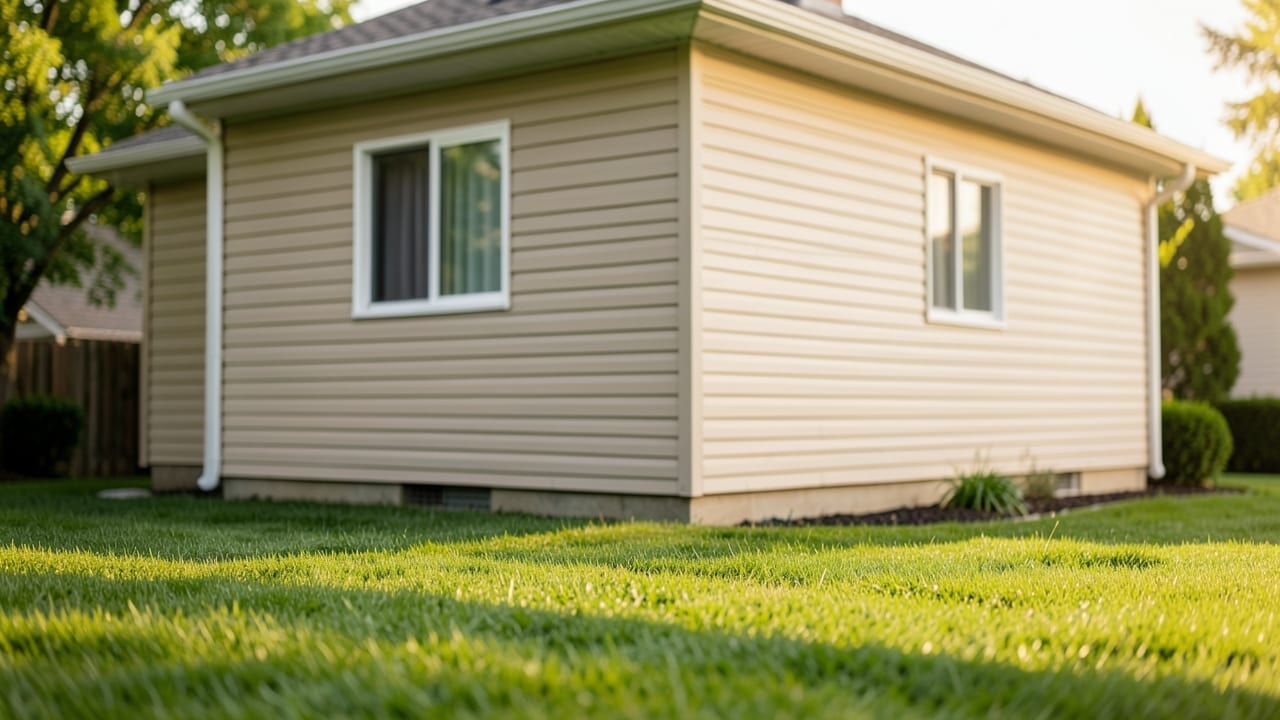
Rental Property Washing in Garden City Beach, SC
High-pressure cleaning of rental property exteriors to remove dirt, grime, and mold.
Learn More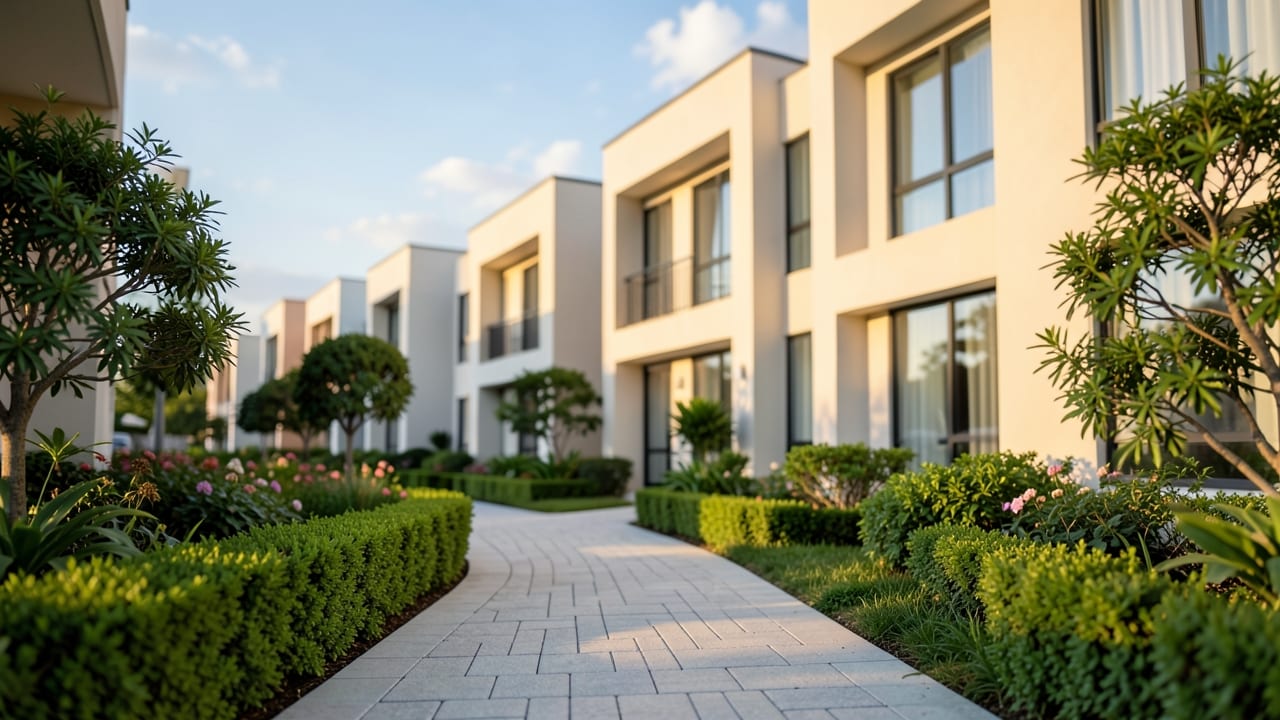
Condo Association Washing in Garden City Beach, SC
High-pressure cleaning of condo association exteriors, walkways, and common areas to remove dirt and grime.
Learn More
Medical Clinic Exterior Washing in Garden City Beach, SC
High-pressure cleaning of medical clinic exteriors to remove dirt, grime, and contaminants.
Learn More
New Construction Final Clean in Garden City Beach, SC
Thorough post-construction cleanup using pressure washing to remove debris, dust, and residue from new builds.
Learn More
Hard Water Stain Removal in Garden City Beach, SC
Pressure washing to remove hard water stains from exterior surfaces.
Learn MoreCommon Questions About Pressure Washing in Garden City Beach
Everything you need to know about pressure washing services in Garden City Beach
How much does Tennis Court Cleaning typically cost in Garden City Beach, SC?
Why does algae and mildew growth on homes in Garden City Beach, SC come back so quickly?
How often should a home's exterior actually be washed?
Are the cleaning chemicals used in soft washing safe for landscaping and pets?
Would home insurance cover damage caused by improper pressure washing?
Can pressure washing strip paint or an existing sealant off a surface?
Need Pressure Washing in Garden City Beach?
Get a written quote from our Garden City Beach crew.
⏰ We answer your call • Serving all of Garden City Beach and surrounding areas