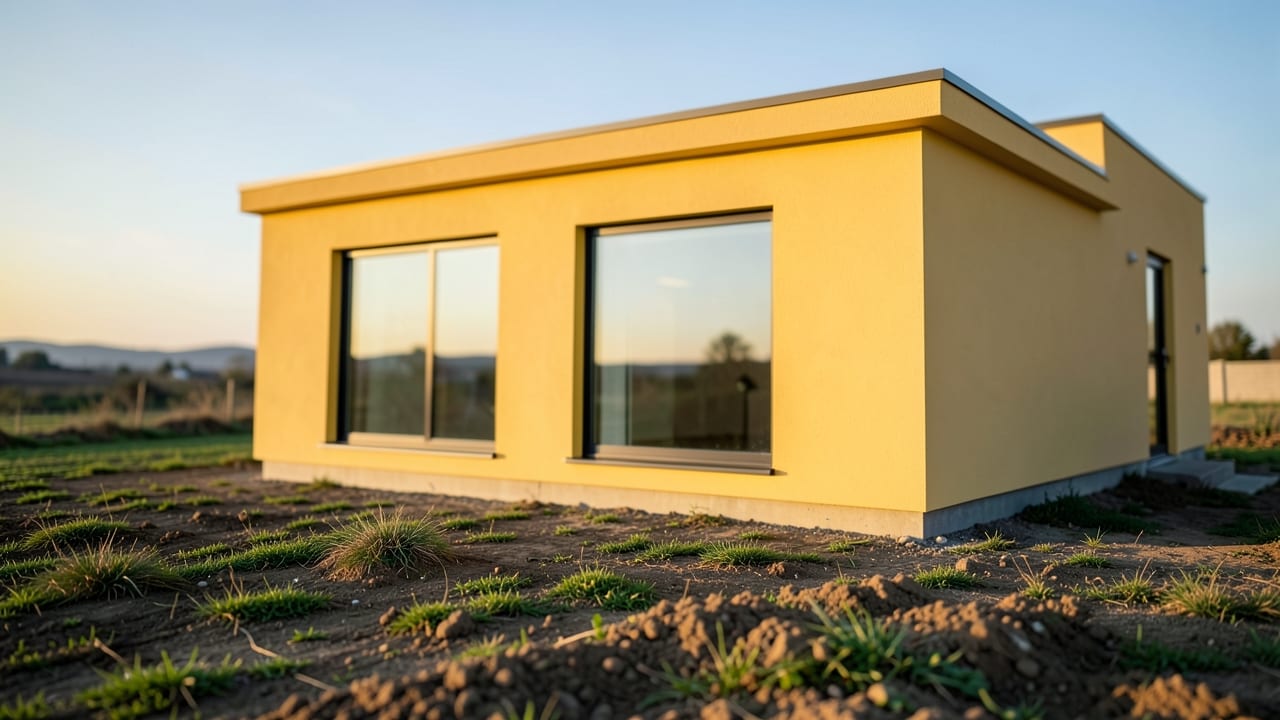
New Construction Final Clean
Thorough post-construction cleanup using pressure washing to remove debris, dust, and residue from new builds.
After your new home in Garden City Beach, SC, is built, construction dust, paint splatter, and concrete residue can leave surfaces looking dull and unkempt.
A New Construction Final Clean uses targeted pressure washing and chemical pre-treatment to restore driveways, sidewalks, and siding to a fresh, move-in-ready finish—while protecting plants, landscaping, and exterior fixtures from overspray or runoff damage.
We also handle Pool Deck Cleaning and Rust Removal for Garden City Beach properties.
This service is designed to address the unique challenges of coastal South Carolina’s humidity and salt exposure, where buildup can start quickly if left unchecked.
When is a final clean actually needed?
New construction sites accumulate layers of grime that aren’t always visible until the final touches are complete.
Algae and mildew can cling to siding, especially on shaded or north-facing walls, while cobwebs and insect debris often collect in corners, under eaves, and around light fixtures—long before the rest of the exterior looks dirty.
A quick check can reveal whether a clean is necessary: Run your hand across the siding; if you come away with a fine chalky residue, oxidation or grime has built up. Or look for green/black streaking on less sun-exposed sections, a sign of algae taking hold.
Even if the siding looks clean at first glance, hidden issues like vegetation touching the walls or a sprinkler head aimed directly at the exterior can accelerate dirt buildup. A final clean isn’t just about aesthetics—it’s about preventing long-term damage, like mold growth behind panels or rot from trapped moisture.
In Garden City Beach’s coastal climate, where humidity and salt air speed up wear, addressing these issues early helps the finish last longer between cleanings.
Signs Your New Home Needs a Final Clean
- Green or black streaking on siding (especially on shaded walls) — algae or mildew, not just dirt.
- Chalky residue when running a hand across the surface — oxidation or accumulated grime.
- Cobwebs, insect debris, or construction dust in corners, under eaves, or around light fixtures.
- Vegetation growing close to or touching the siding, keeping that section damp longer than the rest.
- Water stains or discoloration near gutters, indicating overflow or poor drainage.
What affects the cost and timeline?
The scope of the job, surface materials, and site conditions all play a role in how long a final clean takes and what it costs.
For example, vinyl siding requires lower pressure and more careful chemical application than fiber cement or stucco, while driveways may need spot treatment for stubborn stains. In Garden City Beach, coastal humidity and salt exposure can also mean heavier buildup on certain sections, requiring extra attention.
Most homeowners see a price range based on square footage, but the actual cost depends on whether additional services—like gutter cleaning or sealing—are needed.
Timing matters too. Scheduling during dry weather avoids runoff issues, and addressing algae or mildew early prevents it from spreading. A few targeted changes, like trimming back vegetation or adjusting sprinkler heads, can also slow how quickly dirt re-establishes after cleaning.
While a full exterior wash is estimated at $49 per square foot, the final cost varies based on the surfaces included and any pre-existing conditions that surface once dirt is removed.
What to watch for after cleaning
A proper final clean leaves surfaces looking fresh, but a few details can reveal whether the job was done carefully. Uneven pass speed—where panels show a banded, zebra-striped pattern—is a common mistake, especially on light-colored vinyl. This happens when the wand moves inconsistently, leaving some areas cleaner than others.
Another red flag is forced water behind siding seams, which can trap moisture and lead to mold or rot inside the wall cavity over time. If you notice lifting panels or water stains after cleaning, those are signs the pressure or technique may have been too aggressive.
Coastal homes in Garden City Beach also need to account for ongoing exposure. Shaded or north-facing sections will always require attention sooner than sun-exposed walls, simply due to less UV drying. Keeping gutters clear and trimming back vegetation that touches the siding can extend the time between cleanings.
If algae or mildew returns quickly in the same spots, it’s often a sign of a moisture source—like a sprinkler or poor drainage—that needs addressing separately.
Never aim a pressure washer wand directly into siding seams or up under lap edges—this can force water behind panels, trapping moisture and leading to mold or rot. Always confirm the PSI and method (pressure vs. soft wash) are specified for each surface, as the wrong setting can crack stucco, split vinyl, or strip factory finishes.
How a new construction final clean works
A thorough final clean follows a step-by-step process to remove dirt while protecting surfaces and landscaping.
- 1Surface and Plant Protection
Landscaping near the foundation is wetted down and covered, and exterior outlets or fixtures are bagged to prevent damage from cleaning solution runoff or overspray.
- 2Detergent Pre-Treatment
A cleaning solution formulated for the siding material—vinyl, wood, stucco, or fiber cement—is applied at low pressure and left to dwell, breaking down algae and mildew chemically.
- 3Soft-Wash Rinse
The siding is rinsed at low pressure (under 500 psi) using a wide-fan tip, working top to bottom in overlapping passes at a consistent speed to avoid streaking.
- 4Spot Treatment
Heavily stained areas get a second, more concentrated pass rather than higher pressure, which can push water behind siding seams and cause long-term damage.
- 5Final Rinse and Inspection
A clear-water rinse removes detergent residue, and the finished surface is walked in daylight to check for missed spots or damage that needs separate attention.
Frequently asked questions
Will pressure washing damage my new siding or driveway?
If done correctly, pressure washing won’t damage siding or driveways. The key is using the right pressure setting—vinyl, stucco, and fiber cement each require different PSI levels—and applying a detergent pre-treatment to lift dirt without blasting it. Always confirm the method (soft wash vs. pressure wash) is specified for each surface to avoid cracking, splitting, or stripping finishes.
How do I know if my siding needs a final clean before moving in?
Look for green or black streaking on shaded walls (algae or mildew), chalky residue when running a hand across the surface (oxidation or grime), or cobwebs/debris in corners and under eaves. If vegetation is touching the siding or a sprinkler is aimed directly at the exterior, those areas will also show buildup faster. A quick check like this can reveal whether cleaning is needed before move-in.
Can I do a final clean myself, or should I hire a professional?
While DIY pressure washing is possible, new construction sites often have hidden issues—like trapped moisture behind panels or uneven detergent application—that professionals spot during inspections. Hiring someone experienced with coastal climates ensures the right chemicals and pressure settings are used, protecting your siding and landscaping while delivering a more consistent finish.
How often will I need to clean my siding after moving in?
In Garden City Beach’s humidity and salt exposure, most homeowners clean siding every 1–3 years, depending on shading, vegetation, and sprinkler placement. Targeted changes—like trimming back plants or adjusting sprinklers—can extend the time between cleanings. North-facing or shaded sections will always need attention sooner than sun-exposed walls, as they stay damp longer.
See Georgetown, SC for more, or see the full pressure washing lineup we run in Garden City Beach by service type for our complete lineup.
Ready to get started?
Talk to a local pressure washing pro in Garden City Beach — get a written quote.
Other Pressure Washing Services in Garden City Beach
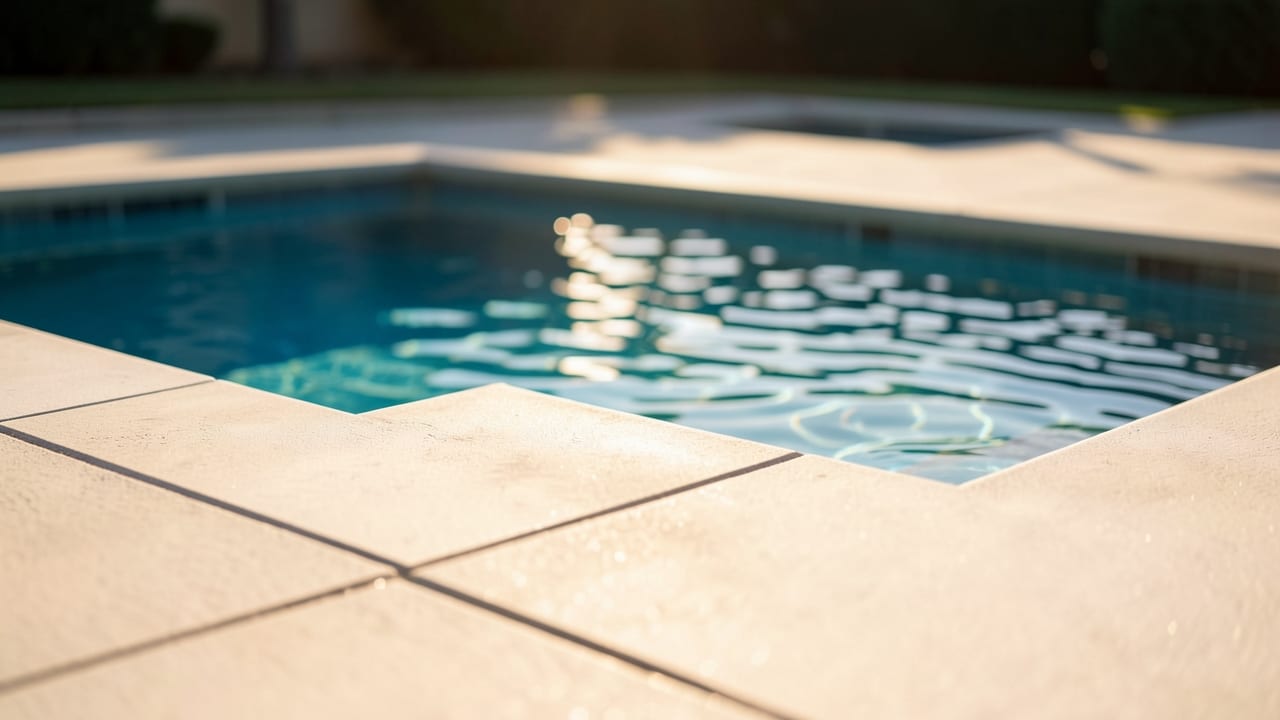
Pool Deck Cleaning in Garden City Beach, SC
Pool deck cleaning in Garden City Beach, SC — chemical-safe cleaning that restores slip resistance and removes algae staining.
Learn More
Rust Removal in Garden City Beach, SC
Professional pressure washing to remove rust stains from driveways, sidewalks, and exterior surfaces.
Learn More
Oil Stain Removal in Garden City Beach, SC
High-pressure cleaning to remove oil stains from driveways, garages, and other surfaces.
Learn More
Mildew Treatment in Garden City Beach, SC
Professional pressure washing to remove mildew from exterior surfaces like siding, decks, and fences.
Learn More
Vinyl Siding Cleaning in Garden City Beach, SC
Professional pressure washing to remove dirt, mold, and grime from vinyl siding.
Learn More
Patio Cleaning in Garden City Beach, SC
High-pressure washing to remove dirt, grime, and stains from patios, restoring their appearance.
Learn MoreCommon Questions About Pressure Washing in Garden City Beach
Everything you need to know about pressure washing services in Garden City Beach
How much does New Construction Final Clean typically cost in Garden City Beach, SC?
Why does algae and mildew growth on homes in Garden City Beach, SC come back so quickly?
Is renting a pressure washer and doing the job at home a reasonable option?
How long does washing a typical house exterior take?
Can pressure washing damage concrete, pavers, or mortar joints?
What are the actual named steps in a professional pressure washing job?
Need Pressure Washing in Garden City Beach?
Get a written quote from our Garden City Beach crew.
⏰ We answer your call • Serving all of Garden City Beach and surrounding areas