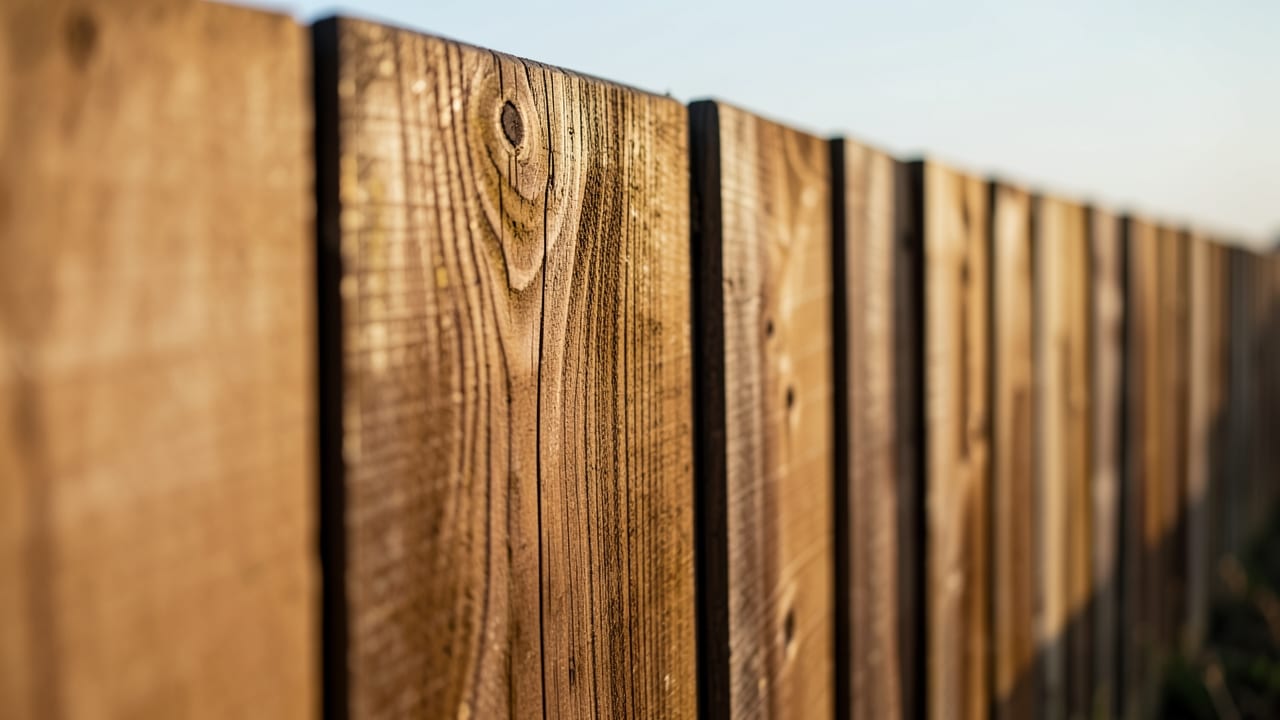
Mildew Treatment
Professional pressure washing to remove mildew from exterior surfaces like siding, decks, and fences.
Mildew treatment in Garden City Beach, SC, targets the black or green stains caused by algae and mildew on exterior surfaces like siding, driveways, and decks. High-pressure washing combined with targeted cleaning solutions restores appearance and prevents further spread, especially in shaded, moisture-prone areas common along the coast.
The process is designed to protect surfaces while addressing visible buildup that affects curb appeal.
We also handle Roof Washing (Soft Wash) and Deck & Fence Cleaning for Garden City Beach properties.
When mildew treatment is needed
Mildew and algae thrive in damp, shaded areas, often appearing as streaks or patches on siding, decks, or fences. Unlike dirt, these stains spread over time and leave a chalky residue when rubbed.
Check for green or black streaking on the north or least-sunlit side of your home, or inspect corners and under eaves where debris collects first. These signs indicate it’s time for treatment before the problem worsens.
A simple test can confirm the issue: run your hand across the surface. If you feel a fine, powdery residue, it’s likely mildew or algae. If the stain is uneven or appears only in specific sections (like near vegetation or sprinkler heads), the cause is often moisture exposure.
Addressing these factors—such as trimming overhanging plants or adjusting sprinklers—can slow future buildup alongside professional cleaning.
Signs Your Home Needs Mildew Treatment
- Green or black streaking on siding, decks, or fences—especially on shaded or north-facing walls.
- A chalky residue left on your hand when touching the surface (indicates algae or mildew).
- Visible dirt or debris collecting in corners, under eaves, or around light fixtures before the rest of the surface looks dirty.
- Uneven streaking or 'zebra striping' after a previous cleaning attempt, showing inconsistent pressure or technique.
- Mildew spreading steadily over time rather than staying localized, often worsened by nearby vegetation or sprinkler runoff.
What affects pricing and effectiveness
The cost of mildew treatment depends on the size of the area being cleaned, the type of surfaces involved, and how much buildup exists. Vinyl siding, wood, stucco, and fiber cement each require different cleaning solutions and pressure levels, which can adjust the total price.
For example, a full-house siding treatment will cost more than cleaning just a deck or driveway, and heavily stained surfaces may need additional passes or spot treatment.
Other factors include accessibility—areas with tight spaces or overhead cleaning may take longer—and whether sealing is added afterward. While sealing isn’t always necessary, it can extend the life of treated surfaces like driveways or decks by protecting them from future moisture damage.
Always confirm whether the quote includes all surfaces and whether any add-ons will incur extra fees.
What to watch for before hiring
Not all mildew treatment quotes are created equal. A thorough estimate should specify the pressure (PSI) and method (pressure wash vs. soft wash) for each surface, as the wrong technique can damage siding, roofing, or wood.
For example, concrete driveways can handle higher pressure, while vinyl siding requires a gentler approach. Always ask whether the quote covers pre-treatment with chemical solutions, as skipping this step often leads to streaking or incomplete removal.
Runoff from cleaning chemicals can harm landscaping or pets, so confirm what detergents will be used and how they’re contained. A reputable service will protect nearby plants and fixtures before starting.
Also, check if the estimate includes a final inspection for damage—such as cracked paint or loose mortar—that might surface once dirt is removed. This step helps avoid surprises later.
| Red Flag | Why It Matters |
|---|---|
| No PSI or method specified for each surface (e.g., siding vs. driveway) | Risk of damage from incorrect pressure or technique. |
| Price far below other local bids for the same square footage | May indicate rushed work, low-quality equipment, or no pre-treatment. |
| No disclosure of cleaning chemicals or their impact on landscaping | Undisclosed chemicals can harm plants or pets. |
| Full payment required before the job starts | Removes leverage to address issues like streaking or missed spots afterward. |
| Pressure to add services on the spot without a written price | Add-ons proposed mid-job are harder to compare to other quotes. |
How mildew treatment works
A professional mildew treatment follows a structured process to safely remove stains while protecting surfaces.
- 1Preparation and Protection
Nearby landscaping is wetted and covered, and exterior outlets or fixtures are bagged to prevent chemical runoff or overspray damage. This step ensures cleaning solutions don’t harm plants or seep into unintended areas.
- 2Detergent Pre-Treatment
A cleaning solution tailored to the siding material—vinyl, wood, stucco, or fiber cement—is applied at low pressure and left to dwell. This chemically breaks down algae and mildew before rinsing, reducing the need for high-pressure blasting.
- 3Soft-Wash Rinse
The siding is rinsed with low-pressure water (under 500 psi) using a wide-fan tip, working top to bottom in overlapping passes. Consistent speed prevents streaking, while heavier stains receive a second, more concentrated pass instead of increased pressure.
- 4Final Rinse and Inspection
A clear-water rinse removes all detergent residue, followed by a daylight inspection to check for missed spots or damage. Any lifting panels or pre-existing issues are noted for separate attention.
Frequently asked questions
How often should mildew treatment be done in Garden City Beach?
Mildew treatment timing depends on moisture exposure and shading. North-facing walls or areas near vegetation may need attention every 1–3 years, while well-ventilated or sun-exposed surfaces can last longer. Regular gutter cleaning and trimming overhanging plants can extend the time between treatments.
Can mildew treatment damage my siding or roof?
Improper technique—such as using high pressure on vinyl or stucco—can cause cracks, seam splitting, or water intrusion behind panels. A professional uses low-pressure soft washing and material-specific solutions to minimize risk, but always confirm the PSI and method for your surfaces before hiring.
Will mildew come back after treatment?
Mildew can return if moisture and shade conditions persist. Addressing the cause—like adjusting sprinklers, trimming plants, or cleaning gutters—helps delay future buildup. Treatment alone won’t prevent regrowth in consistently damp areas.
Can I treat mildew myself, or should I hire a professional?
DIY mildew treatment is possible with the right equipment and solutions, but mistakes—like using too much pressure or the wrong chemical—can damage surfaces. Professionals have the tools and experience to clean safely, especially on larger or multi-story homes where access is difficult.
See Briarcliffe Acres, SC for more, or browse everything on offer in Garden City Beach before booking for our complete lineup.
Ready to get started?
Talk to a local pressure washing pro in Garden City Beach — get a written quote.
Other Pressure Washing Services in Garden City Beach
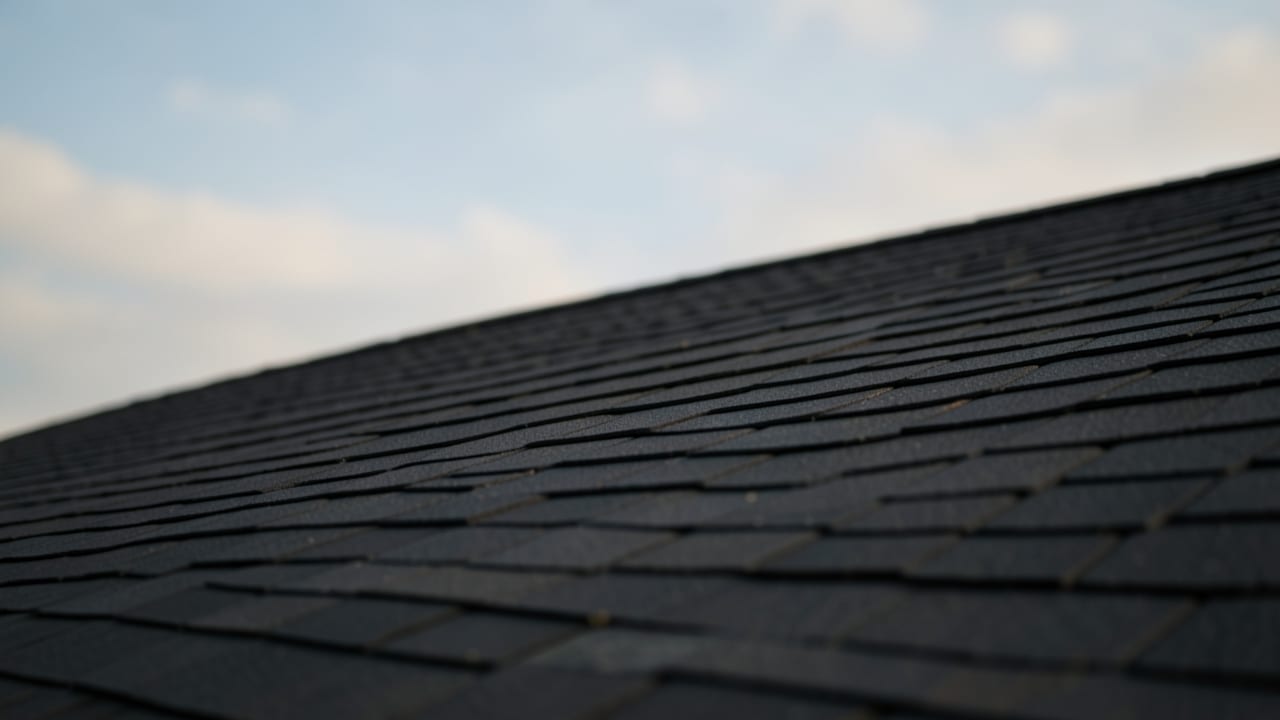
Roof Washing (Soft Wash) in Garden City Beach, SC
Low-pressure soft-wash roof cleaning in Garden City Beach, SC removes algae streaks without damaging shingles.
Learn More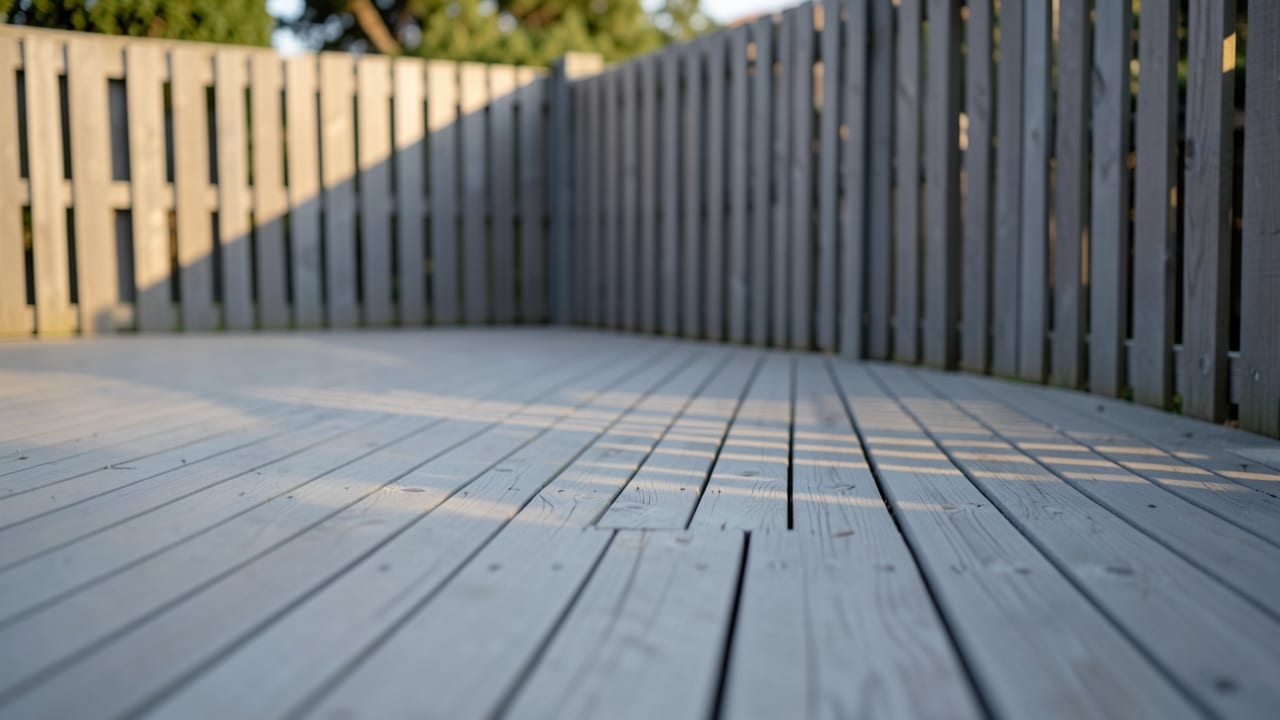
Deck & Fence Cleaning in Garden City Beach, SC
Wood and composite deck and fence cleaning in Garden City Beach, SC — restores surfaces before staining or sealing.
Learn More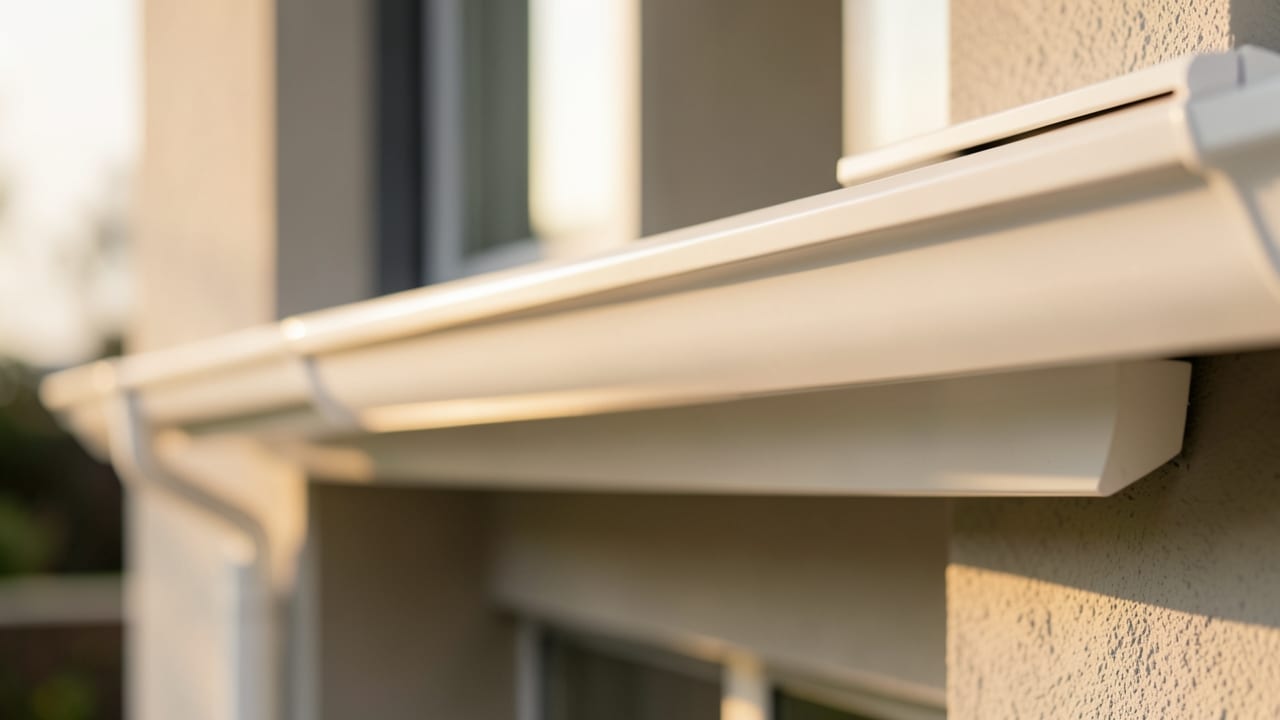
Gutter Cleaning in Garden City Beach, SC
Gutter and downspout cleaning in Garden City Beach, SC to clear leaf buildup and keep water flowing away from the foundation.
Learn More
Window Cleaning in Garden City Beach, SC
Exterior window and window-frame cleaning in Garden City Beach, SC, often bundled with a full house wash.
Learn More
Commercial Pressure Washing in Garden City Beach, SC
Pressure washing for storefronts, parking lots, and commercial properties in Garden City Beach, SC.
Learn More
Graffiti Removal in Garden City Beach, SC
Graffiti removal from exterior walls and surfaces in Garden City Beach, SC.
Learn MoreCommon Questions About Pressure Washing in Garden City Beach
Everything you need to know about pressure washing services in Garden City Beach
How much does Mildew Treatment typically cost in Garden City Beach, SC?
Why does algae and mildew growth on homes in Garden City Beach, SC come back so quickly?
Can the wrong PSI actually damage a house or driveway?
What's the actual difference between pressure washing and soft washing?
How often should a home's exterior actually be washed?
Are the cleaning chemicals used in soft washing safe for landscaping and pets?
Need Pressure Washing in Garden City Beach?
Get a written quote from our Garden City Beach crew.
⏰ We answer your call • Serving all of Garden City Beach and surrounding areas