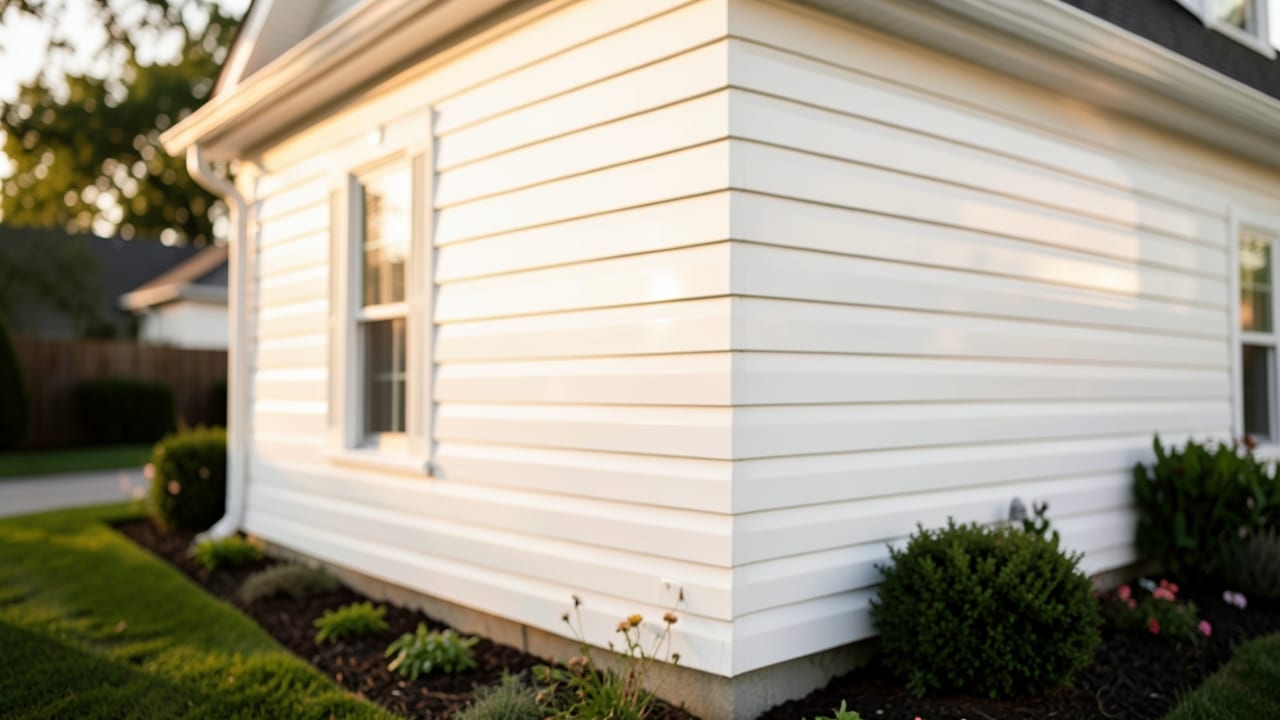
Vinyl Siding Cleaning
Professional pressure washing to remove dirt, mold, and grime from vinyl siding.
Vinyl siding in Garden City Beach, SC, collects dirt, algae, and mildew over time, especially in the coastal climate where humidity and salt air accelerate buildup.
Controlled pressure washing restores the appearance of your home’s exterior by removing stains without damaging the material, using specialized techniques and detergents tailored to vinyl surfaces.
We also handle Rust Removal and Oil Stain Removal for Garden City Beach properties.
When to clean vinyl siding
A few simple checks can help you decide if your siding needs cleaning. Green or black streaking on shaded walls is a sign of algae or mildew, which spreads steadily if left untreated.
Running a hand across the surface and feeling a chalky residue suggests oxidation or grime buildup, often easier to detect by touch than sight.
Check corners, under eaves, and around light fixtures first—these areas collect cobwebs, dirt, and insect debris before the rest of the siding shows noticeable dirt.
Removing mounted items like house numbers or small planters and comparing the covered patch to the exposed surface can reveal how much the rest of the siding has faded or dirtied.
Signs Your Siding Needs Cleaning
- Green or black streaking on shaded walls (algae/mildew)
- Chalky residue when running a hand across the surface (oxidation/grime)
- Visible dirt, cobwebs, or insect debris in corners and under eaves
- Uneven color or texture when comparing covered vs. exposed patches
What affects pricing and timing
The size of your home and the extent of buildup influence the time and cost of cleaning. A full exterior wash typically ranges in price based on square footage, but factors like algae severity, access challenges, or additional prep work—such as covering landscaping—can adjust the final cost.
How quickly siding re-dirts depends on moisture exposure. Vegetation touching the siding, sprinkler heads aimed at the walls, or clogged gutters that overflow all contribute to faster buildup. Permanently shaded sections will need more frequent attention regardless of cleaning frequency.
Avoiding damage during cleaning
Using the wrong pressure or technique can harm vinyl siding. Forced water behind panels or seams can trap moisture, leading to mold or rot inside the wall cavity. Higher pressure than recommended can crack seams or strip the factory finish, especially on lighter-colored vinyl.
Inconsistent wand speed during rinsing leaves uneven streaking, often called zebra striping. This is a technique issue, not a chemical one, and is most noticeable on light-colored surfaces. Always use a wide-fan tip at low pressure (under 500 PSI) for even coverage.
| Issue | Risk | Solution |
|---|---|---|
| Wrong pressure setting | Cracks seams, strips finish, or forces water behind panels | Use 500 PSI or lower with a wide-fan tip |
| Inconsistent wand speed | Uneven streaking (zebra striping) | Move at a steady pace, top to bottom |
| Direct water into seams | Trapped moisture causes mold/rot inside walls | Aim wand at the face of panels, not edges |
How vinyl siding cleaning works
- 1Pre-Treatment with Detergent
A cleaning solution formulated for vinyl is applied at low pressure and left to dwell, breaking down algae and mildew chemically rather than relying on pressure to blast it off.
- 2Soft-Wash Rinse
The siding is rinsed at low pressure (under 500 PSI) using a wide-fan tip, working top to bottom in overlapping passes at a consistent speed to avoid streaking.
- 3Spot Treatment for Stubborn Stains
Areas with heavier algae or mildew get a second, more concentrated pass instead of increasing pressure, which can push water behind seams and cause damage.
- 4Final Rinse and Inspection
A clear-water rinse removes detergent residue, and the siding is walked in daylight to check for missed spots or damage that may need separate attention.
Frequently asked questions
How often should I clean my vinyl siding?
Cleaning frequency depends on exposure to moisture. Shaded or north-facing sections may need attention every 1–2 years, while siding with vegetation touching it or daily sprinkler exposure may require cleaning annually or more often.
Will pressure washing damage my siding?
When done correctly with low pressure (under 500 PSI) and proper technique, pressure washing restores siding without damage. Higher pressure or incorrect angles can crack seams or force water behind panels, so always use a professional trained in vinyl siding cleaning.
Does cleaning my gutters help keep siding cleaner?
Yes. Clogged gutters overflow, sending water and roof grime down the siding below, which speeds up dirt buildup. Keeping gutters clear reduces the need for frequent siding cleaning and helps maintain the home’s exterior.
Can I clean my siding myself?
DIY cleaning is possible with the right equipment and chemicals, but mistakes—like using too much pressure or the wrong detergent—can damage the siding or leave streaks. For best results, especially on larger homes or stubborn stains, hiring a professional ensures proper technique and protection of landscaping.
See Aynor, SC for more, or find out about what's included in our Garden City Beach service before booking for our complete lineup.
Ready to get started?
Talk to a local pressure washing pro in Garden City Beach — get a written quote.
Other Pressure Washing Services in Garden City Beach
Rust Removal in Garden City Beach, SC
Professional pressure washing to remove rust stains from driveways, sidewalks, and exterior surfaces.
Learn More
Oil Stain Removal in Garden City Beach, SC
High-pressure cleaning to remove oil stains from driveways, garages, and other surfaces.
Learn More
Mildew Treatment in Garden City Beach, SC
Professional pressure washing to remove mildew from exterior surfaces like siding, decks, and fences.
Learn More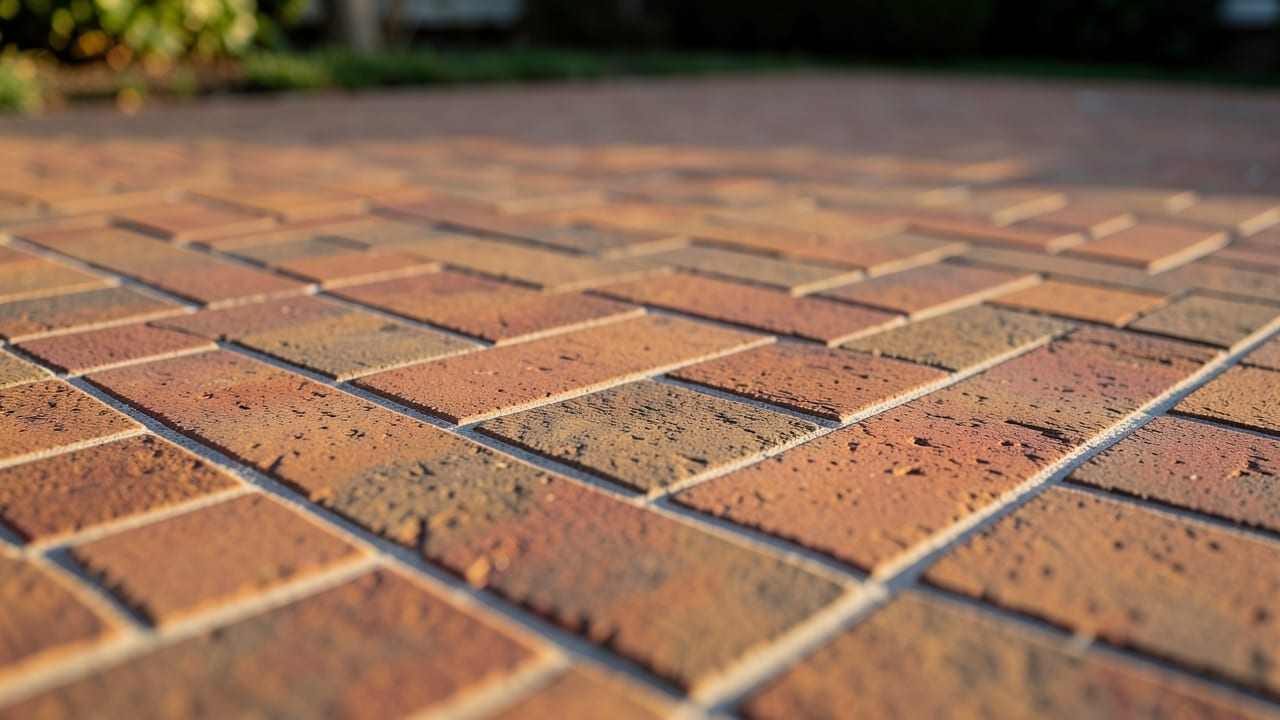
Patio Cleaning in Garden City Beach, SC
High-pressure washing to remove dirt, grime, and stains from patios, restoring their appearance.
Learn More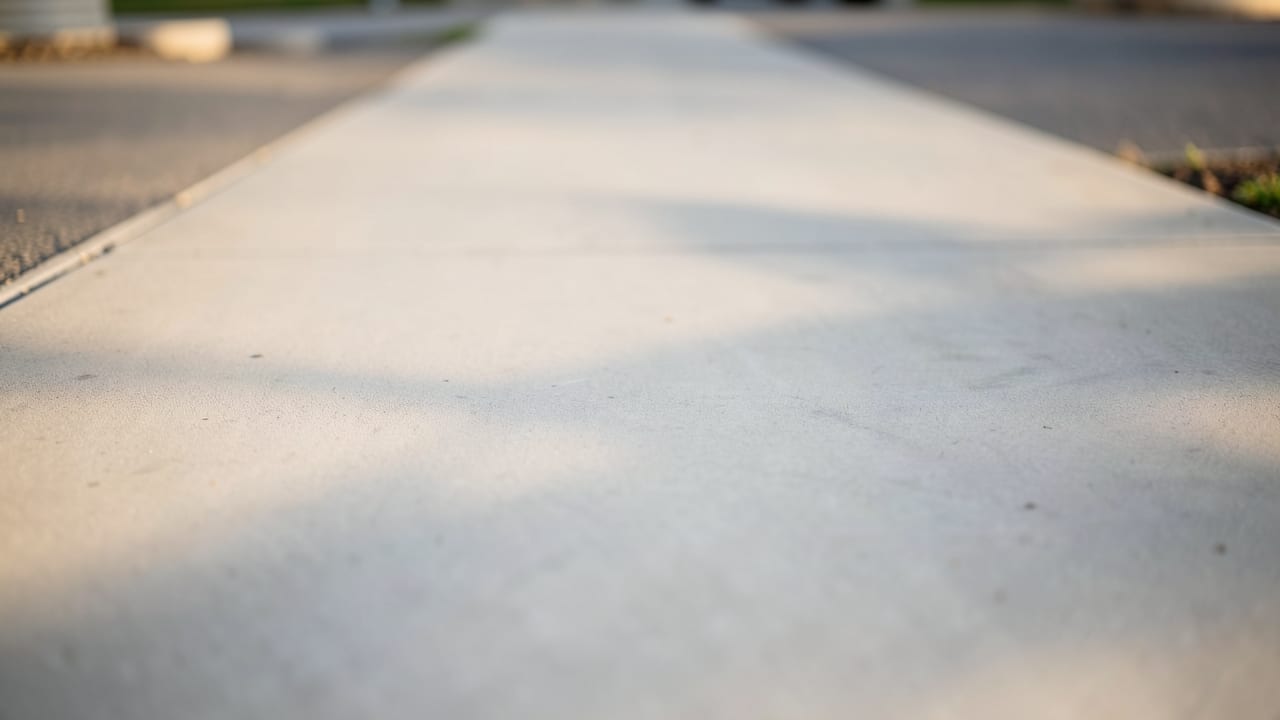
Sidewalk Cleaning in Garden City Beach, SC
High-pressure washing to remove dirt, grime, and stains from sidewalks and walkways.
Learn More
Storefront Cleaning in Garden City Beach, SC
High-pressure washing to remove dirt, grime, and stains from storefront exteriors.
Learn MoreCommon Questions About Pressure Washing in Garden City Beach
Everything you need to know about pressure washing services in Garden City Beach
How much does Vinyl Siding Cleaning typically cost in Garden City Beach, SC?
Why does algae and mildew growth on homes in Garden City Beach, SC come back so quickly?
Is renting a pressure washer and doing the job at home a reasonable option?
How long does washing a typical house exterior take?
Can pressure washing damage concrete, pavers, or mortar joints?
What are the actual named steps in a professional pressure washing job?
Need Pressure Washing in Garden City Beach?
Get a written quote from our Garden City Beach crew.
⏰ We answer your call • Serving all of Garden City Beach and surrounding areas