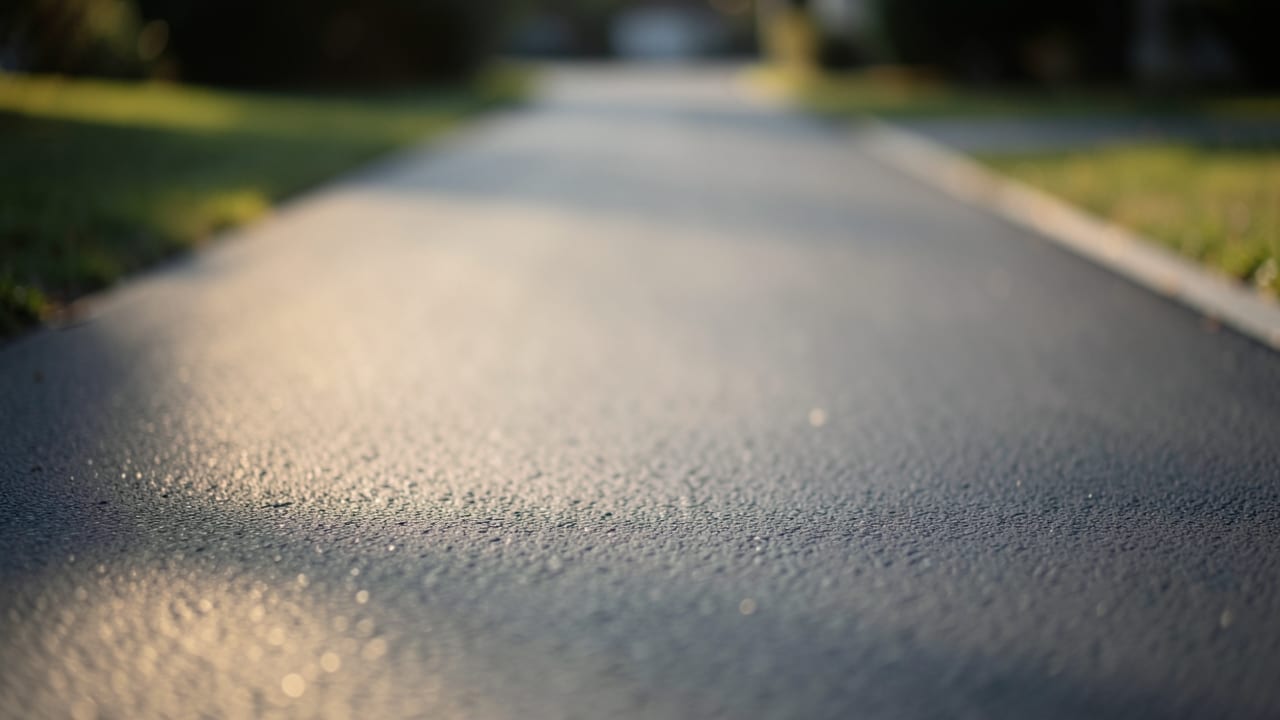
Oil Stain Removal
High-pressure cleaning to remove oil stains from driveways, garages, and other surfaces.
Oil stains on driveways, garages, and pavers in Garden City Beach, SC, can be stubborn and unsightly. Specialized pressure washing techniques are used to lift and remove these stains safely, restoring the appearance of concrete and asphalt surfaces without damaging the surrounding area.
This service is tailored to residential properties, focusing on high-traffic areas where vehicles or machinery leave residue.
We also handle Pool Deck Cleaning and Rust Removal for Garden City Beach properties.
When oil stains need professional attention
Oil stains often appear as dark, greasy patches that resist regular cleaning. They can spread over time, especially in areas with frequent vehicle traffic or exposure to elements. If stains persist after attempts with household cleaners or a basic hose wash, professional oil stain removal is the next step.
Stains on concrete or asphalt can also indicate deeper contamination, which may require targeted chemical treatments and equipment. Ignoring them can lead to long-term discoloration or deterioration of the surface. A thorough inspection helps determine the best approach for your specific situation.
Signs You Need Oil Stain Removal
- Stains remain after scrubbing with detergent or a garden hose.
- Dark patches spread or darken over time, even in dry weather.
- The surface feels greasy or slippery to the touch, indicating embedded oil.
- Stains appear on high-traffic areas like driveways, garages, or walkways.
- Regular cleaning methods (like bleach or vinegar) fail to lighten the stains.
How oil stains affect your property
Oil stains don’t just look bad—they can also make surfaces slippery when wet, posing a safety hazard. Over time, untreated oil can weaken the integrity of concrete or asphalt, leading to cracks or erosion. Removing these stains early helps preserve your property’s condition and curb appeal.
In coastal areas like Garden City Beach, where humidity and salt air accelerate wear, oil stains can also attract mold or mildew if left unaddressed. Professional removal ensures the surface is cleaned thoroughly, reducing the risk of secondary damage.
Safety and preparation for oil stain removal
Before starting, landscaping near the work area is protected by covering plants and wetting down nearby soil to prevent chemical runoff. Outlets, fixtures, and vents are also sealed to avoid water damage. This step is critical, as overspray or detergent residue can harm vegetation or siding.
The process uses low-pressure pre-treatment with specialized detergents to break down oil without blasting it deeper into the surface. High-pressure blasting can push oil into pores, making stains harder to remove later. A controlled approach ensures the best results while protecting your property.
Avoid using household cleaners or high-pressure washers on oil stains first—these can spread the oil or damage the surface. Always consult a professional for stubborn stains to prevent long-term issues.
How oil stain removal works
- 1Preparation and Protection
Landscaping, plants, and nearby structures are covered or shielded. Outlets, vents, and fixtures are sealed to prevent water or chemical damage. This step ensures no collateral harm occurs during the cleaning process.
- 2Detergent Application
A low-pressure spray applies a specialized detergent designed to break down oil and grime. The solution is left to dwell for several minutes, allowing it to penetrate and loosen embedded stains without forcing them deeper.
- 3Pressure Washing
Using a pressure washer with a wide-fan tip (typically under 1,500 PSI), the detergent and loosened oil are rinsed away. The wand is moved at a consistent speed to avoid streaking or uneven cleaning, especially on lighter-colored surfaces.
- 4Spot Treatment for Stubborn Stains
Areas with heavy or persistent stains receive a second, more concentrated application of detergent or a targeted pressure adjustment. This step helps ensure thorough removal without risking surface damage from excessive pressure.
- 5Final Rinse and Inspection
A clear-water rinse removes all detergent residue, and the surface is inspected for missed spots or damage. Any areas needing additional attention are addressed before the job is complete.
Frequently asked questions
Will pressure washing damage my driveway or garage floor?
When done correctly, pressure washing is designed to clean without damaging concrete or asphalt. However, improper technique—like using too much pressure or the wrong nozzle—can cause pitting or erosion. A professional ensures the right settings for your surface.
How long does it take to remove oil stains from a driveway?
The time depends on the size of the area and the severity of the stains. A typical single-car driveway usually takes 1–2 hours for full cleaning, including prep and inspection. Larger or heavily stained areas may require additional time.
Can oil stains come back after professional removal?
Oil stains may reappear if new oil or grease is introduced to the surface. Regular maintenance, like sealing the driveway after cleaning, can help prolong results by making it easier to spot and clean new stains early.
Is there any downtime after oil stain removal? Can I park on my driveway immediately?
The surface is safe to walk on once dry, but it’s best to avoid parking for at least 2–4 hours to allow any residual moisture to evaporate. This ensures the cleaning solution doesn’t leave a sticky or slippery residue.
See Georgetown, SC for more, or see how our Garden City Beach crew can help for our complete lineup.
Ready to get started?
Talk to a local pressure washing pro in Garden City Beach — get a written quote.
Other Pressure Washing Services in Garden City Beach
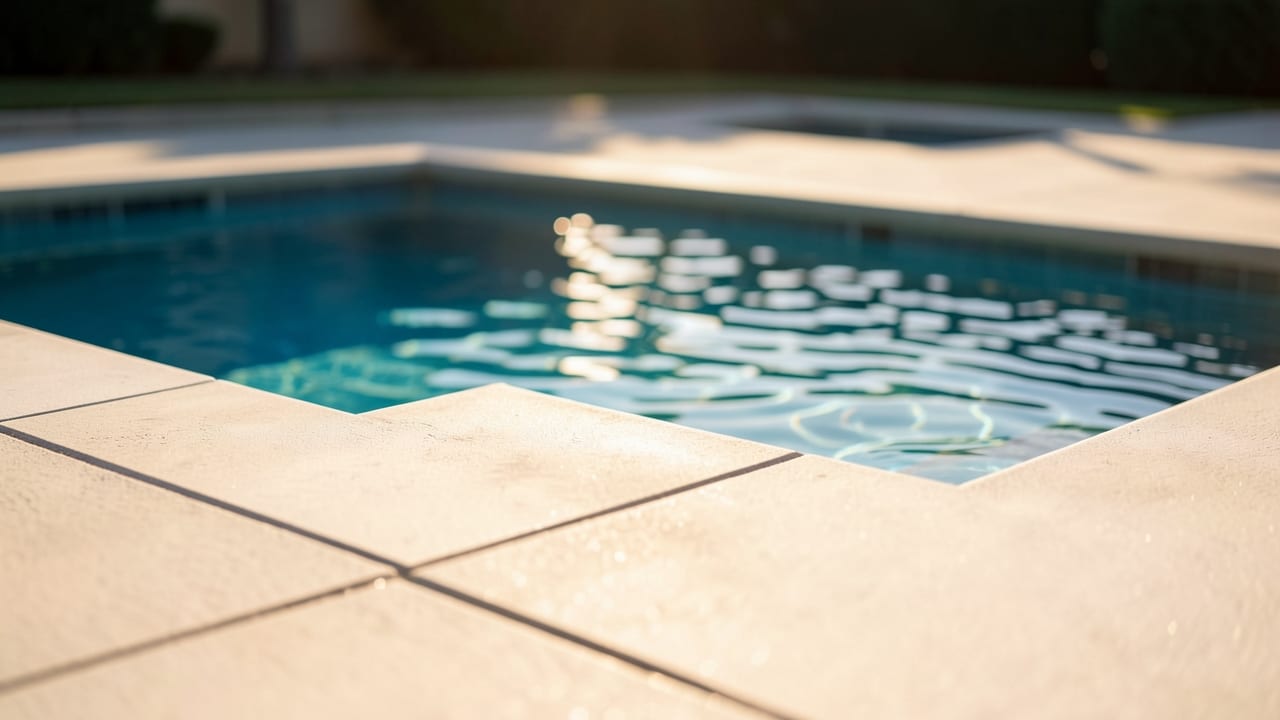
Pool Deck Cleaning in Garden City Beach, SC
Pool deck cleaning in Garden City Beach, SC — chemical-safe cleaning that restores slip resistance and removes algae staining.
Learn More
Rust Removal in Garden City Beach, SC
Professional pressure washing to remove rust stains from driveways, sidewalks, and exterior surfaces.
Learn More
Mildew Treatment in Garden City Beach, SC
Professional pressure washing to remove mildew from exterior surfaces like siding, decks, and fences.
Learn More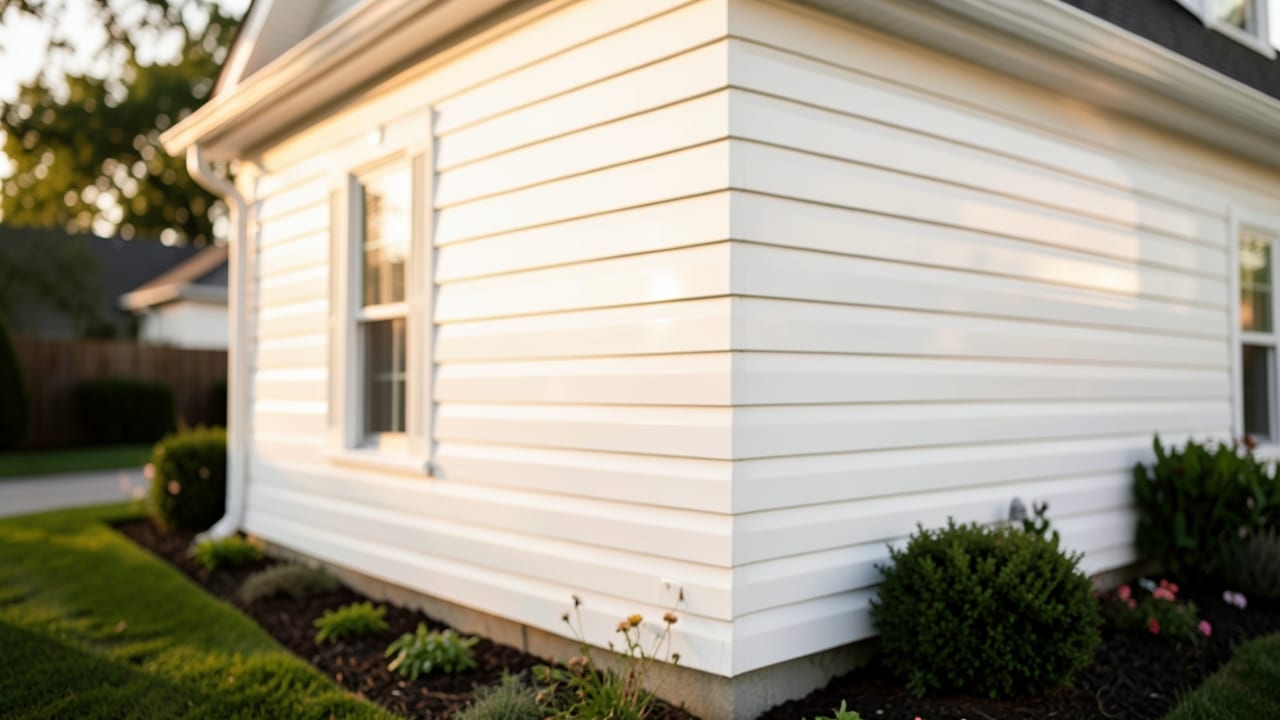
Vinyl Siding Cleaning in Garden City Beach, SC
Professional pressure washing to remove dirt, mold, and grime from vinyl siding.
Learn More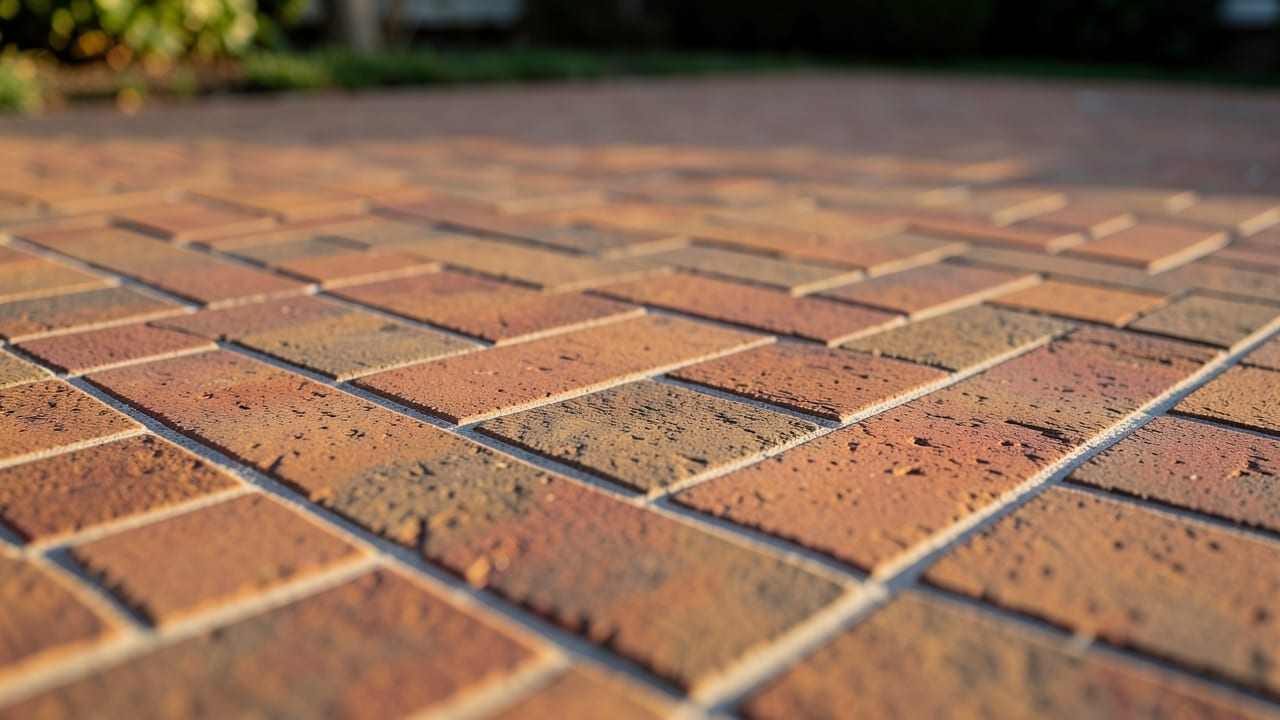
Patio Cleaning in Garden City Beach, SC
High-pressure washing to remove dirt, grime, and stains from patios, restoring their appearance.
Learn More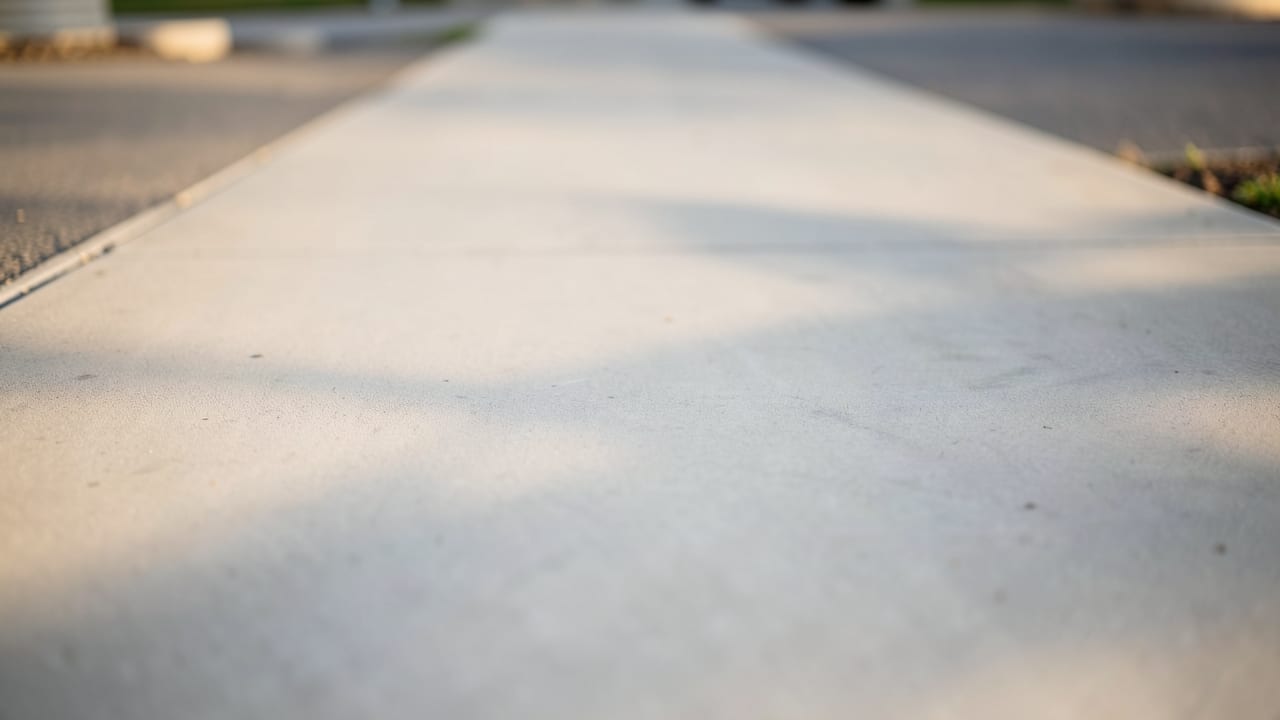
Sidewalk Cleaning in Garden City Beach, SC
High-pressure washing to remove dirt, grime, and stains from sidewalks and walkways.
Learn MoreCommon Questions About Pressure Washing in Garden City Beach
Everything you need to know about pressure washing services in Garden City Beach
How much does Oil Stain Removal typically cost in Garden City Beach, SC?
Why does algae and mildew growth on homes in Garden City Beach, SC come back so quickly?
Can pressure washing damage concrete, pavers, or mortar joints?
What are the actual named steps in a professional pressure washing job?
Can the wrong PSI actually damage a house or driveway?
What's the actual difference between pressure washing and soft washing?
Need Pressure Washing in Garden City Beach?
Get a written quote from our Garden City Beach crew.
⏰ We answer your call • Serving all of Garden City Beach and surrounding areas