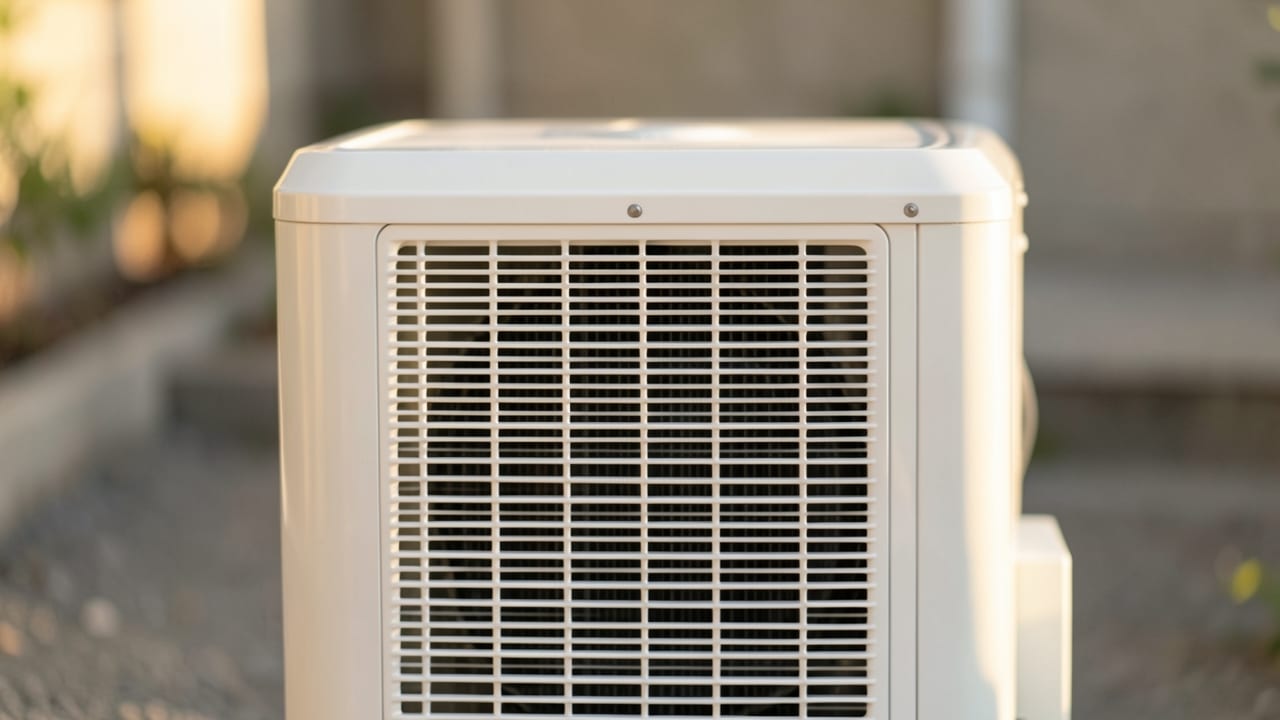
AC Unit Exterior Cleaning
Pressure washing to remove dirt, debris, and grime from outdoor AC unit coils and housing.
In Garden City Beach, SC, AC unit exterior cleaning removes built-up dirt, pollen, and debris from condenser coils and housing to restore airflow and efficiency. The humid coastal climate speeds up buildup, making regular maintenance essential for keeping your system running smoothly and preventing long-term damage.
When to clean your AC unit exterior
Coastal humidity and salt air accelerate grime buildup on AC units, often making it hard to spot until airflow is noticeably reduced. Green or black streaking on the condenser housing usually signals algae or mildew, while a fine chalky residue suggests oxidation or grime.
We also handle Pool Deck Cleaning and Rust Removal for Garden City Beach properties.
These signs often appear first in shaded or north-facing areas, where moisture lingers longer.
Check for cobwebs, insect debris, or dirt collecting in corners, under eaves, and around light fixtures—these are early indicators that a deeper clean is needed. If your unit feels unusually warm to the touch or struggles to cool your home efficiently, built-up debris may be the culprit.
Regular cleaning helps maintain performance and extends the lifespan of your system.
Signs Your AC Unit Needs Cleaning
- Green or black streaking on the condenser housing (algae/mildew).
- Chalky residue when running a hand over the surface (oxidation or grime buildup).
- Debris, cobwebs, or insect nests around the unit or in corners.
- Unit feels unusually warm or struggles to cool efficiently.
- Visible dirt or grime on nearby siding or landscaping near the unit.
How local conditions affect cleaning needs
Garden City Beach’s coastal environment means AC units face higher exposure to salt air, humidity, and organic debris like pollen and sea spray. These factors speed up buildup on condenser coils, reducing efficiency and increasing energy costs over time.
Units in shaded areas or near vegetation stay damp longer, making algae and mildew more likely to take hold.
Sprinkler heads aimed at the unit or clogged gutters that overflow onto the siding below can also accelerate dirt accumulation. While cleaning removes existing buildup, addressing these moisture sources helps slow future dirt buildup and keeps your unit running optimally between services.
What to expect during the cleaning process
A professional cleaning starts with protecting nearby surfaces, including landscaping, outlets, and fixtures, to prevent damage from overspray or runoff. A cleaning solution tailored to your AC unit’s material is applied at low pressure to break down algae, mildew, and grime chemically before rinsing.
This step ensures deeper cleaning without risking damage to the unit or surrounding areas.
The final rinse removes all detergent residue, and the unit is inspected for missed spots or damage. While cleaning helps restore efficiency, it doesn’t address pre-existing issues like cracked seals or electrical problems—these may need separate attention.
Using high-pressure settings or improper techniques can force water behind siding seams or damage delicate components. Professional cleaning uses controlled pressure and detergents to clean safely without risking hidden water damage or mold growth.
How AC unit exterior cleaning works
- 1Preparation and Protection
Nearby landscaping is wetted down and covered, and outlets or fixtures are bagged to prevent damage from overspray or runoff. This step ensures cleaning solution doesn’t harm plants, siding, or electrical components.
- 2Detergent Application
A low-pressure spray applies a cleaning solution formulated for your AC unit’s material, breaking down algae, mildew, and grime chemically. The solution dwells briefly to maximize effectiveness before rinsing.
- 3Rinsing at Controlled Pressure
The unit is rinsed with water at low pressure (under 500 PSI) using a wide-fan tip, working top to bottom in overlapping passes. This method prevents streaking and ensures even cleaning without damaging the surface.
- 4Spot Treatment and Inspection
Areas with heavy staining receive a second, more concentrated pass. The unit is then inspected in daylight for missed spots or damage, with any issues noted for further attention.
- 5Final Rinse and Check
A clear-water rinse removes all detergent residue, and the unit is walked around to confirm no streaks, damage, or lifting panels remain. This step ensures the finish looks clean and the unit is ready for optimal performance.
Frequently asked questions
How often should I clean my AC unit in Garden City Beach?
Coastal humidity and salt air accelerate buildup, so cleaning 1–2 times per year helps maintain efficiency. Units in shaded or vegetated areas may need attention more often due to higher moisture exposure.
Will cleaning my AC unit improve its cooling performance?
Yes, removing dirt and debris from condenser coils restores airflow, allowing the unit to cool more effectively. However, pre-existing issues like refrigerant leaks or electrical problems won’t be fixed by cleaning alone.
Can I clean my AC unit myself with a pressure washer?
DIY pressure washing risks damaging the unit or forcing water behind seams, leading to hidden mold or rot. Professional cleaning uses controlled pressure and detergents to clean safely without causing collateral damage.
Does cleaning my AC unit void its warranty?
No, regular maintenance like cleaning is typically encouraged by manufacturers to keep warranties valid. Always check your unit’s manual or contact the manufacturer if unsure.
See Bucksport, SC for more, or our full range of pressure washing services for our complete lineup.
Ready to get started?
Talk to a local pressure washing pro in Garden City Beach — get a written quote.
Other Pressure Washing Services in Garden City Beach
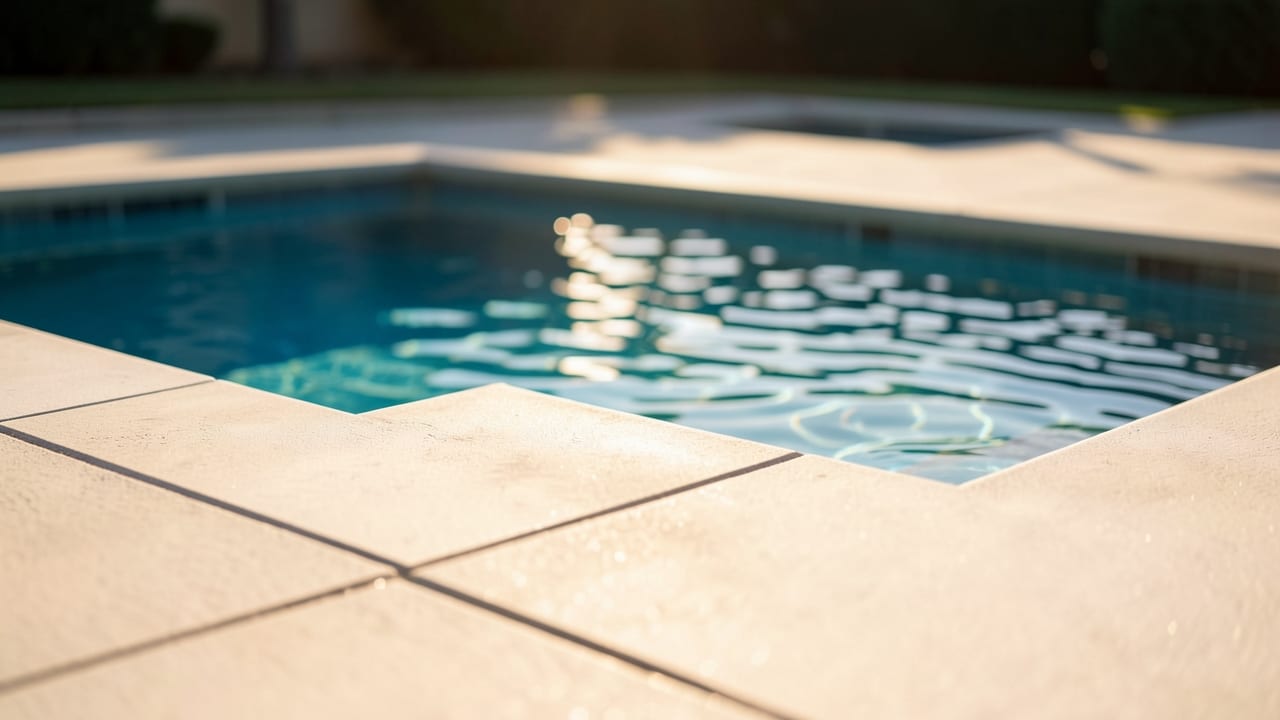
Pool Deck Cleaning in Garden City Beach, SC
Pool deck cleaning in Garden City Beach, SC — chemical-safe cleaning that restores slip resistance and removes algae staining.
Learn More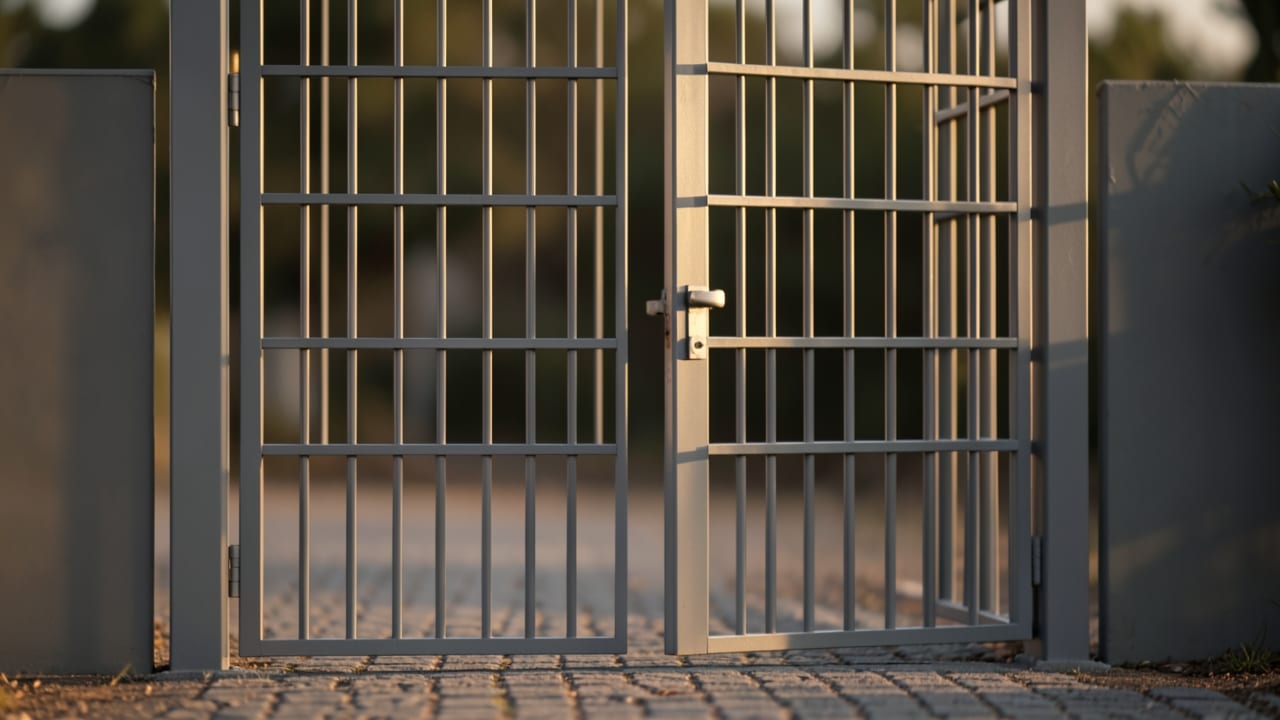
Rust Removal in Garden City Beach, SC
Professional pressure washing to remove rust stains from driveways, sidewalks, and exterior surfaces.
Learn More
Oil Stain Removal in Garden City Beach, SC
High-pressure cleaning to remove oil stains from driveways, garages, and other surfaces.
Learn More
Mildew Treatment in Garden City Beach, SC
Professional pressure washing to remove mildew from exterior surfaces like siding, decks, and fences.
Learn More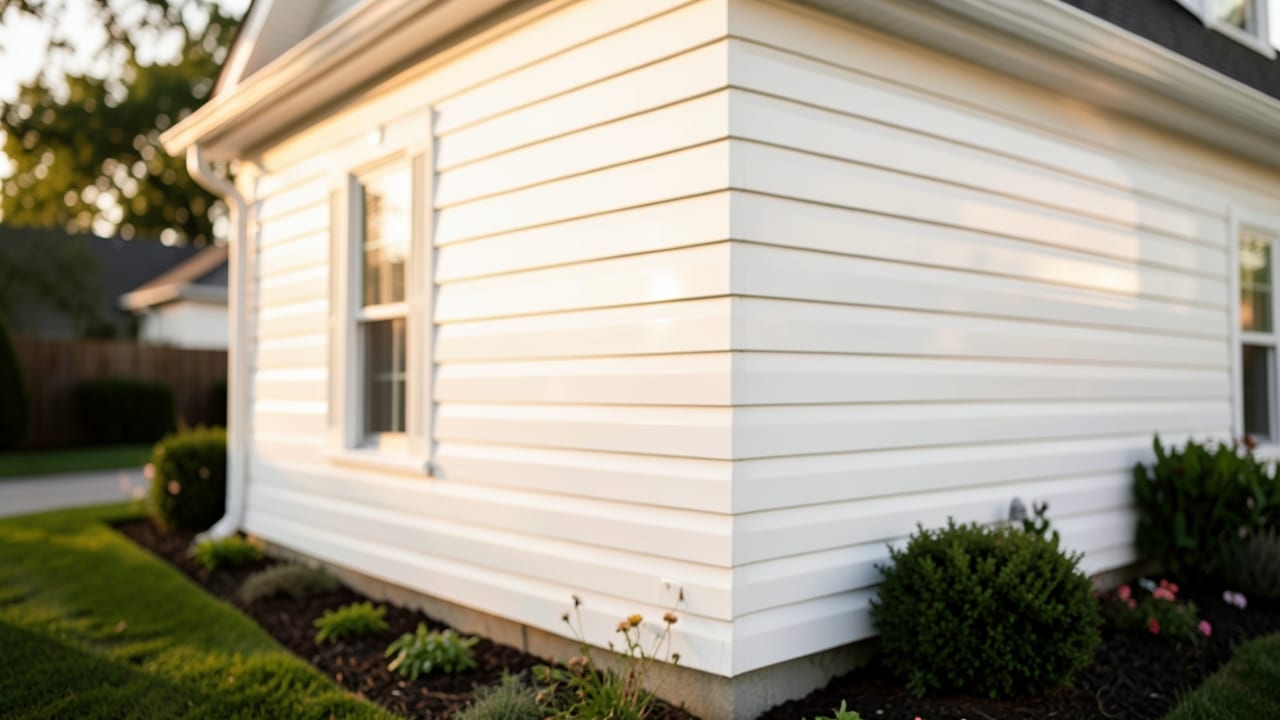
Vinyl Siding Cleaning in Garden City Beach, SC
Professional pressure washing to remove dirt, mold, and grime from vinyl siding.
Learn More
Patio Cleaning in Garden City Beach, SC
High-pressure washing to remove dirt, grime, and stains from patios, restoring their appearance.
Learn MoreCommon Questions About Pressure Washing in Garden City Beach
Everything you need to know about pressure washing services in Garden City Beach
How much does AC Unit Exterior Cleaning typically cost in Garden City Beach, SC?
Why does algae and mildew growth on homes in Garden City Beach, SC come back so quickly?
Is renting a pressure washer and doing the job at home a reasonable option?
How long does washing a typical house exterior take?
Can pressure washing damage concrete, pavers, or mortar joints?
What are the actual named steps in a professional pressure washing job?
Need Pressure Washing in Garden City Beach?
Get a written quote from our Garden City Beach crew.
⏰ We answer your call • Serving all of Garden City Beach and surrounding areas